
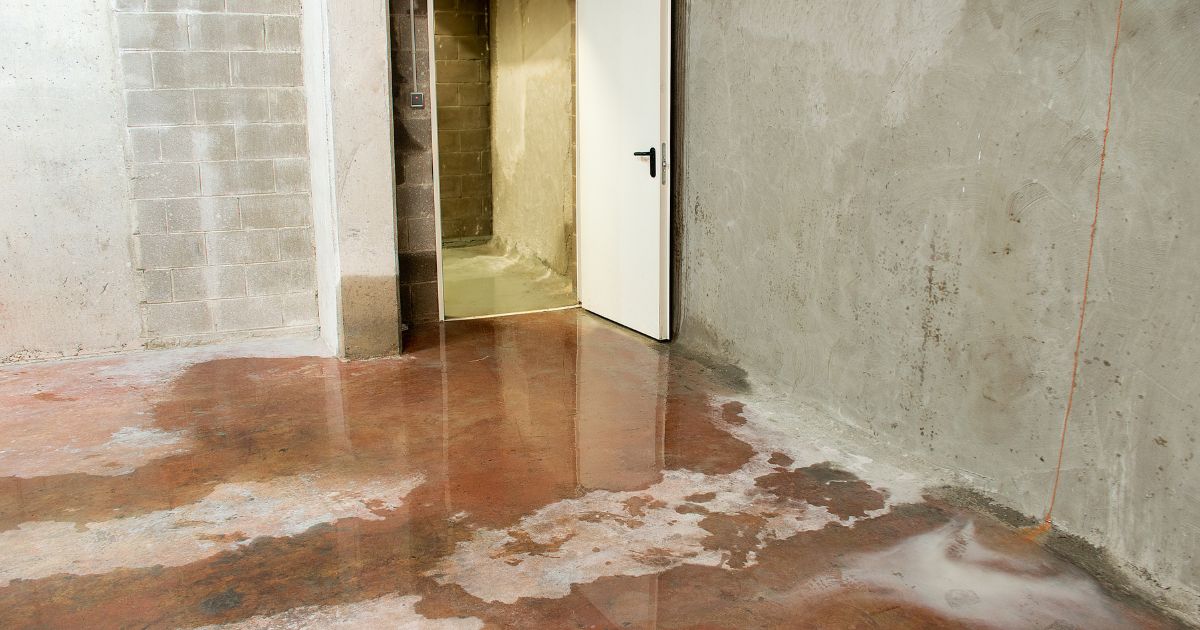
A leaky basement is more than just an inconvenience—it’s a silent threat to your home. What starts as a small drip or damp patch can quickly turn into rotting foundations, toxic mold, ruined belongings, and thousands in repairs. That musty smell? It’s often the first warning of something much worse beneath the surface.
Signs of a Leaky Basement
Not all leaks are obvious. Here are common red flags that your basement needs professional attention:
- Water stains on walls or floors
- Musty or damp smell
- Peeling paint or bubbling drywall
- Mold or mildew growth
- Visible cracks in the foundation
- Pooling water after rain
- Rust on metal appliances or fixtures
How to Fix a Leak in the Basement?
The fix depends on the source. Here’s how we approach it:
- Inspection & Leak Source Identification
Our team starts with a full assessment to identify where the water is coming from—foundation cracks, floor joints, or hydrostatic pressure. - Crack Injection or Sealant
For structural cracks, we use professional-grade polyurethane or epoxy injection to permanently seal leaks from the inside. - Interior Drainage Solutions
We install interior weeping tiles, sump pumps, and moisture barriers to redirect water before it reaches your basement floor. - Exterior Waterproofing (if needed)
For serious or recurring leaks, we excavate and waterproof your foundation from the outside using modern membranes and proper drainage systems. - Custom Repairs Based on Your Home
Whether your home is 5 or 50 years old, we create tailored solutions that align with your structure, soil, and exposure to the elements.
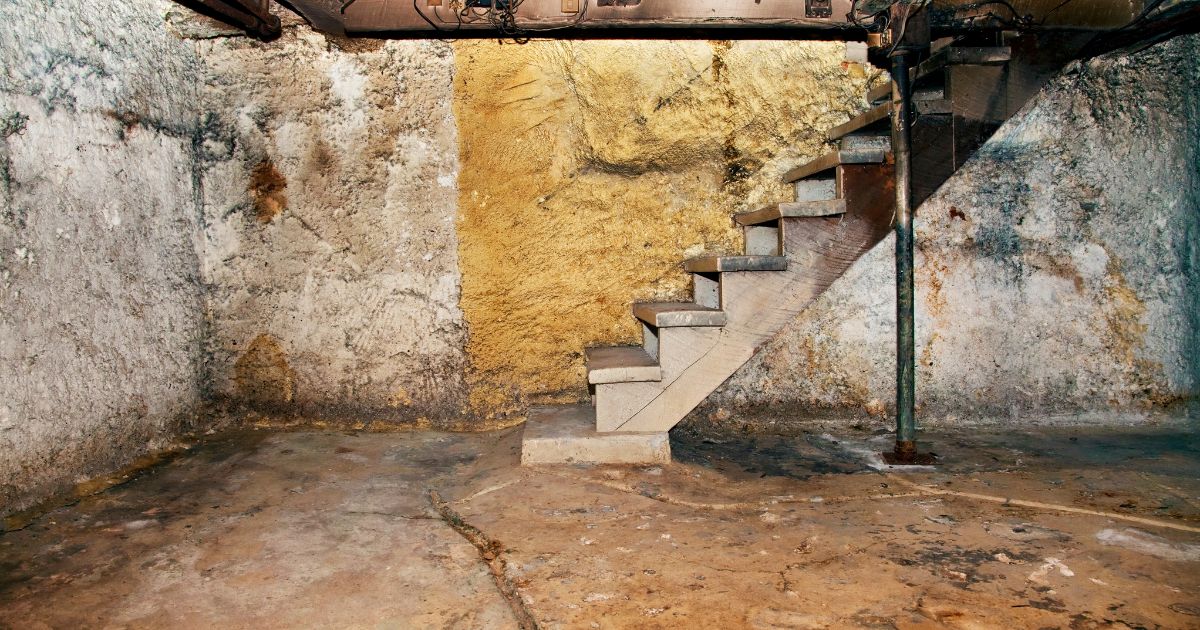
? How to Prepare for Leaky Basement Repair
A leaky basement can lead to mold, damage, and costly repairs if ignored. Getting ready before work begins helps ensure the job goes smoothly and safely.
1. Identify the Problem Areas
- Check for:
- Water stains or puddles
- Musty odors or mold
- Cracks in walls or floor
- Damp insulation or wood rot
- Try to track when leaks happen (e.g., during heavy rain)
? Tip: Take photos of water entry points to show your contractor.
2. Clear the Basement
- Remove or relocate:
- Furniture and storage boxes
- Carpets, rugs, and electronics
- Anything valuable or moisture-sensitive
- Create 3–4 feet of clear space around affected walls for easy access
3. Protect What You Can’t Move
- Cover large furniture or appliances with plastic sheeting
- Elevate items off the floor using pallets or bricks
4. Check Outside Drainage
- Clean gutters and downspouts
- Make sure they direct water at least 5 feet away from the foundation
- Remove heavy vegetation or landscaping near the leak area
5. Document the Damage
- Take photos/videos of visible leaks, cracks, and water damage
- Useful for insurance claims or comparing “before and after” results
6. Understand Your Repair Options
- Common fixes include:
- Crack injection
- Interior drain systems + sump pump
- Exterior waterproofing and excavation
- Ask your contractor for a full scope of work and timeline
7. Secure Permits (If Required)
- Some repairs, like drainage system installations or structural work, may require local building permits.
- Ask your contractor if they’ll handle permits for you.
8. Plan for Noise and Downtime
- Repairs may involve loud tools, dust, or limited access to the basement
- Keep pets and children away from the work area
9. Schedule During Dry Weather (If Possible)
- Exterior waterproofing and crack repairs work best when the foundation is dry
- Avoid starting during rainy or freezing weather unless it’s an emergency
10. Get a Written Warranty
- Ask your contractor for a warranty on materials and workmanship
- Understand what’s covered, how long it lasts, and how to make a claim
Leaky Basement If Ignored Can Lead to;
- They Often Get Worse Over Time – A small crack can become a wide gap within months.
- They Can Lower Property Value – Water issues raise red flags during home inspections.
- Mold Can Start in 24-48 Hours – Even a little moisture invites big health problems.
- DIY Interior Repairs Alone May Not Be Enough – If water is coming from outside, surface fixes won’t hold up.
Knowing the early warning signs can save you thousands in future repairs.
Frequently Asked Questions: Basement Waterproofing in Hamilton
Can a leaky basement be fixed from the inside?
Yes, a leaky basement can often be fixed from the inside using interior waterproofing solutions. This includes the installation of drainage channels, sump pumps, and vapor barriers, as well as sealing cracks with epoxy or polyurethane injections. This method is cost-effective and minimally invasive, especially for managing water seepage caused by hydrostatic pressure or condensation.
How do you stop a basement leak permanently?
To stop a basement leak permanently, it’s crucial to identify the source of the water. The most effective long-term solution usually combines several methods:
- Exterior waterproofing, such as applying a waterproof membrane and installing a French drain.
- Interior drainage systems to manage water that enters from the foundation.
- Crack repairs and proper grading around the home.
- Gutter and downspout extensions to redirect water away from the foundation.
For permanent results, consult a professional to assess the site and recommend a customized solution.
What does it mean when water is leaking into the basement after heavy rain?
Water leaking into the basement after heavy rain typically indicates poor exterior drainage or foundation vulnerabilities, such as:
- Cracks in the foundation wall or floor
- Clogged or short downspouts
- Poor grading around the home
- Saturated soil increasing hydrostatic pressure
- Failed or missing waterproofing systems
This is a sign that your home needs a proper water diversion and waterproofing system to handle stormwater effectively.
How much does it cost to waterproof a basement in Hamilton?
The cost to waterproof a basement in Hamilton varies based on the size of the basement, the method used, and the extent of the damage:
- Interior Waterproofing: $70–$250 per linear foot
- Exterior Waterproofing: $100–$300 per linear foot (including excavation)
- Crack Injection Repairs: $400–$800 per crack
- Full Basement System: $5,000–$20,000+ for comprehensive solutions
Keep in mind that building permits may be required (typically starting at $277 in Hamilton), and the final cost will depend on whether structural repairs, sump pumps, or drainage systems are included.
When is a leaky basement not a DIY job?
A leaky basement is not a DIY job when:
- Structural issues are present, such as large cracks, bowing walls, or shifting foundations.
- Water is entering in large volumes, especially after heavy rains or snowmelt.
- There’s persistent mold, mildew, or musty odors, indicating long-term moisture problems.
- You need to install or repair drainage systems, sump pumps, or do foundation excavation.
- You’re converting the basement into a legal dwelling unit, which requires permits, inspections, and code compliance.
In these cases, it’s best to call in professionals to ensure long-term safety, waterproofing effectiveness, and adherence to local building codes (like those in Hamilton, Ontario). DIY repairs might offer short-term relief but can lead to more serious—and expensive—damage if not done correctly.
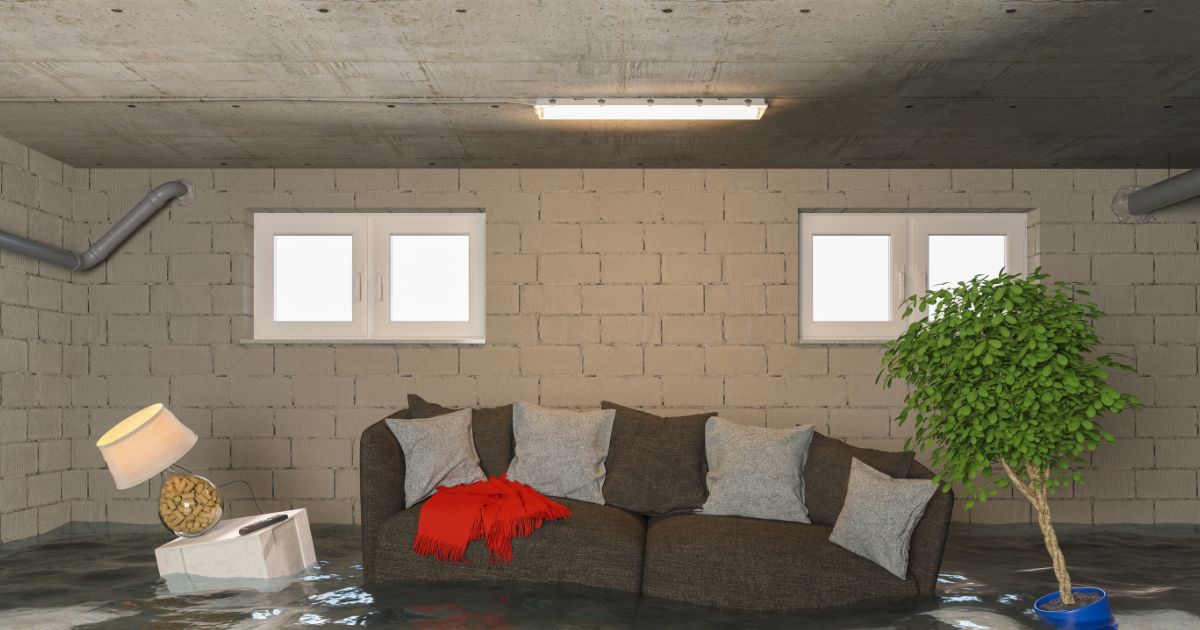
Hamilton Leaky Basement Repair Service
We know Hamilton—its soil, seasons, and housing styles. That’s why we’re trusted by homeowners across the city, from Ancaster and Stoney Creek to the Mountain and Downtown Core.
Why Choose Us:
- Fast, non-invasive repair options
- Licensed, insured, and locally experienced team
- Long-term warranties for peace of mind
- Free in-home assessments with no pressure
Whether it’s a small leak or a full-blown basement issue, we’ve got the tools and expertise to fix it right the first time.
When to Call Basement Leak Repair Service
You should reach out as soon as you notice:
- Leaks during or after rainfall
- A musty smell that won’t go away
- New cracks or water damage
- Plans to finish or renovate your basement
Don’t wait until a minor leak turns into a major flood.
? Call Us Now. Book Your Free Leak Inspection Today.
Trust Hamilton Waterproofing to keep your home dry, safe, and structurally sound—for good.

