

Your home’s gutter system is more than just a finishing touch—it’s your first line of defense against water damage. Yet many homeowners overlook critical factors during gutter downspout installation that can lead to expensive repairs down the road.
The average cost to install gutters and downspouts ranges from $900 to $5,000, making it a significant investment worth getting right the first time.
This guide reveals the common mistakes smart homeowners avoid and tips when selecting and installing their rainwater management systems.

What is the difference between gutters and spouts?
Many homeowners use these terms interchangeably, but they serve different functions in your rainwater management system:
Gutters
Horizontal channels attached to the edge of your roof that collect rainwater as it runs off. They’re available in various profiles, with K-style and half-round being the most common.
Downspouts (Spouts)
Vertical pipes that carry water from the gutters down to the ground level. They connect to the gutter through a downspout outlet and typically include elbows to direct water away from the foundation.
In some regions, particularly in Canada and parts of the northern United States, gutters are also called eavestroughs. Eavestroughs and downspouts together form a complete system for managing rainwater from your roof.

Choosing the Right Type of Gutters and Downspouts
One of the most common questions homeowners ask is, “Which type of gutter is best?” The answer depends on your home’s architecture, local climate, budget, and aesthetic preferences. Understanding the differences between gutter types is crucial for making an informed decision.
Material Matters: Comparing Gutter Options
|
Material |
Durability | Maintenance |
Best For |
| Aluminum | 20+ years | Low | Most homes; won’t rust |
| Vinyl | 10-15 years | Low | DIY installation; budget-conscious |
| Steel | 15-20 years | Medium | Areas with heavy snow/ice |
| Copper | 50+ years | Very Low | Historic homes; premium appearance |
| Zinc | 30+ years | Very Low | High-end homes; develops patina |
Gutter Profiles and Sizes
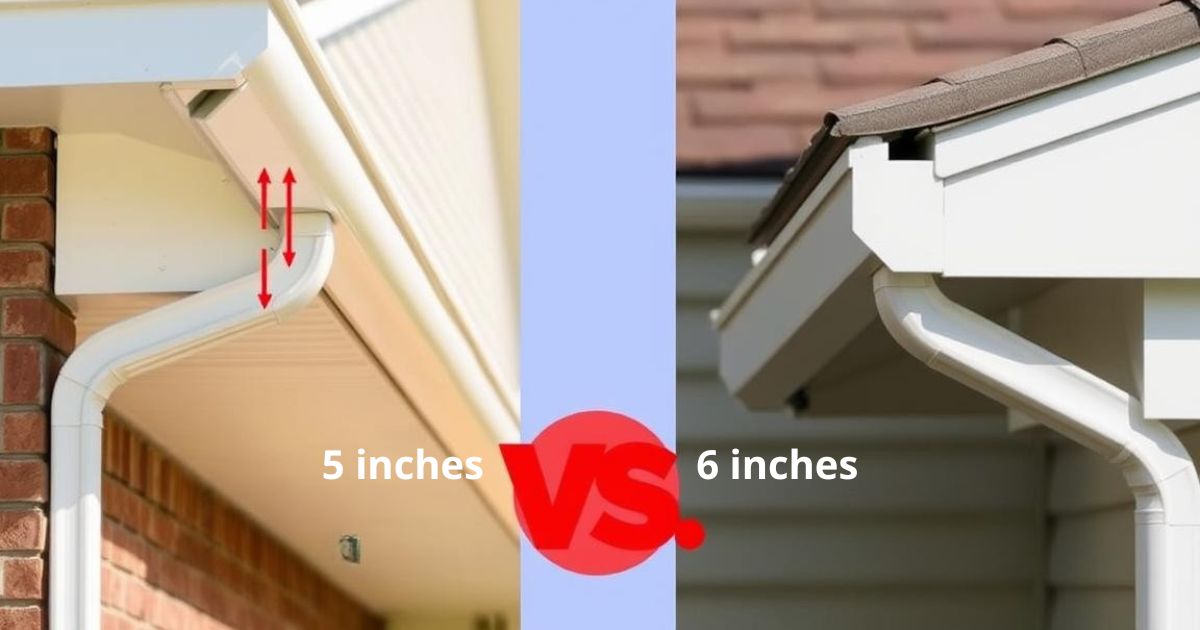
Beyond material, gutters come in different profiles and sizes. K-style gutters are the most common in modern homes, while half-round gutters are often found on older, historic properties. The size of your gutters (typically 5 or 6 inches) should be determined by your roof area and local rainfall intensity.
What Is the Correct Size of Pipe for Gutter Drainage?
Most homes use 3″x4″ downspouts and 4-inch drain pipes. However, large roofs or areas with heavy rainfall may require bigger sizes. Always consult local codes or a professional to determine the proper dimensions.
Here are the quick Pairing Reference:
| Gutter Size | Recommended Downspout Size |
| 5-inch | 2″ x 3″ or 3″ x 4″ |
| 6-inch | 3″ x 4″ |
| 7+ inch | 4″ x 5″ or larger |
Quick Tips:
- Always slope the downspouts slightly away from the house.
- Use splash blocks or extensions to direct water 4–6 feet from the foundation.
- Consider 3″x4″ downspouts if you have:
- Lots of trees nearby
- Heavy snow or rain
- Clogged 2″x3″ pipes in the past
Gutter and Downspout Installation Mistakes to Avoid
Focusing Only on Appearance or Cost
While aesthetics and budget matter, overlooking technical requirements—like slope, size, and placement—can lead to poor drainage, foundation damage, or premature system failure.
Mistake #1: Incorrect Spacing and Placement
A common question is, “How many downspouts do I need?” While it depends on your roof size and local rainfall, the general rule is one downspout for every 20 to 40 feet of gutter.
Installing too few downspouts forces each one to carry more water than it should, leading to overflow and water damage during heavy rain. Placement matters just as much—make sure downspouts are installed near roof valleys and corners where water naturally collects, not just where it’s most convenient.
Equally important is downspout placement. Strategic positioning near corners and valleys where water concentrates can prevent overflow. Many installers place downspouts based on convenience rather than optimal water management.

Mistake #2: Slope Miscalculations
Gutters need a slight slope—about ¼ inch per 10 feet—so water flows toward the downspouts. Too little slope causes pooling; too much slope looks bad and can cause water to bypass the downspout entirely.
“The number one reason gutters fail is improper slope during installation.”
– Professional Gutter Installer, 20+ Years of Experience
Mistake #3: Choosing the Wrong Size for Your Roof
The cost of gutters for a 2,000 square foot house typically ranges from $1,050 to $2,400, but choosing the wrong size can make this investment ineffective.
Standard 5-inch K-style gutters work for most homes, but houses with steep roofs or in high-rainfall areas may require 6-inch gutters and larger downspouts to handle increased water flow.
Not Sure About Your Gutter Sizing?
Our experts can help determine the perfect gutter system for your home’s specific needs.
Mistake #4: Failing to Protect Your Foundation
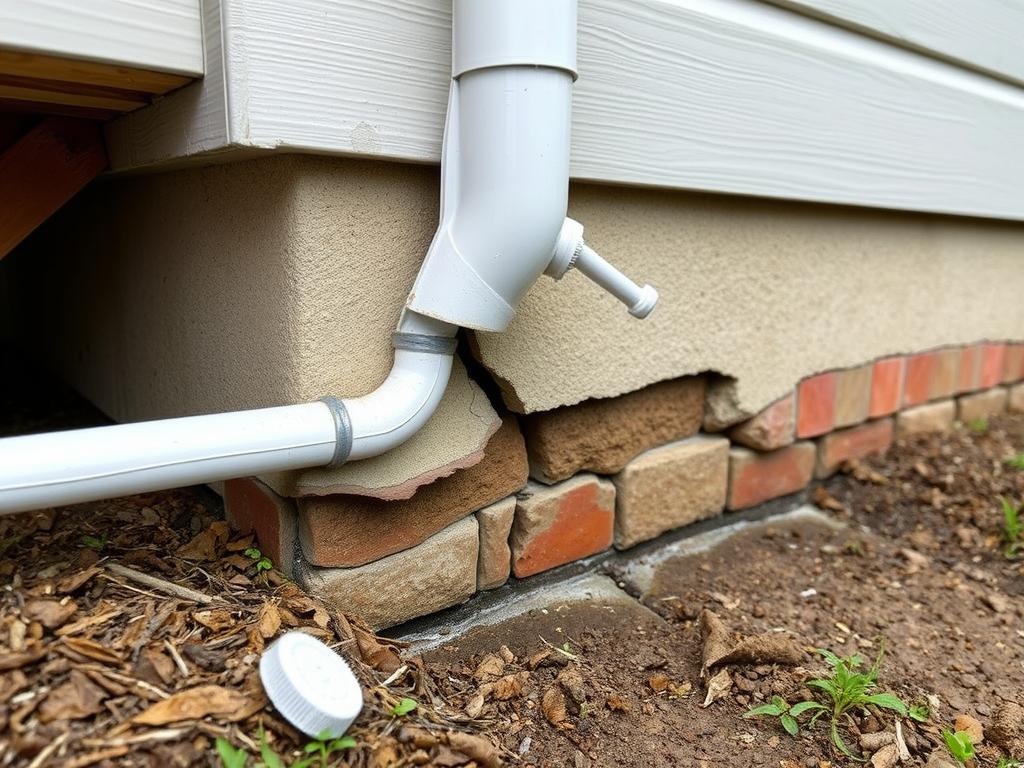
The primary purpose of gutters and downspouts is to protect your foundation from water damage. When downspouts discharge water too close to the foundation, they can actually contribute to the very problem they’re meant to prevent. Water pooling around your foundation can lead to cracks, basement flooding, and even structural instability.
Tips for Installing a Gutter Drain
Here are key tips to ensure a functional and long-lasting gutter drainage system:
- Ensure Proper Slope
Drain pipes should slope away from the foundation at a minimum of 1/8 inch per foot to allow gravity to carry water effectively. - Choose the Right Type of Pipe
Use solid pipes for direct water conveyance and perforated pipes for water dispersion in garden beds or gravel trenches. - Use the Right Pipe Diameter
Typically, a 4-inch diameter is sufficient for most homes, but consider 6-inch pipes for areas with high rainfall or steep roofs. - Avoid Sharp Bends
Sharp turns reduce flow and increase clog risks. Use wide-sweep fittings or gentle curves. - Install Debris Traps or Filters
Fit leaf traps or filters where downspouts enter the drain pipe to catch debris before it enters underground systems. - Bury Pipes Below Frost Line
In cold climates, bury the pipe deep enough to avoid freezing and damage during winter. - Use Cleanouts or Access Ports
Install access points to make future cleaning or unclogging easier. - Secure with Gravel or Proper Bedding
Lay the pipe on a bed of gravel or sand to promote drainage and stability. - Test Before Covering
Run water through the entire system to check flow before burying or securing final components. - Check Local Codes
Some municipalities restrict direct discharge into storm drains or require specific drainage zones.
These tips help prevent backups, reduce erosion, and increase the system’s durability and effectiveness.
Step-by-Step Gutter Downspout Installation Guide
- Measure roofline and determine gutter and downspout placement.
- Mark and cut gutters to fit.
- Attach gutter brackets every 2 feet.
- Install gutters with a slight slope.
- Cut and attach downspouts at designated drop outlets.
- Secure downspouts to the wall and connect to drainage pipe or splash block.
Dos and Don’ts When Installing Gutter Drain Pipes
Do:
- Use PVC for durability
- Bury pipes below the frost line
- Slope drain pipes properly
Don’t:
- Connect to sanitary sewer
- Ignore root-prone areas
- Use undersized pipes for large roofs
Average Installation Costs in Hamilton (2025)
By Material:
- Aluminum Gutters:
- $6–$12 per linear foot
- Downspouts: $5–$8 per foot
- Vinyl Gutters:
- $3–$5 per linear foot
- Downspouts: $5–$8 per foot
- Copper Gutters:
- $35+ per linear foot
Total Installation Estimates:
- 100 linear feet:
- Aluminum: $2,500–$3,500
- Copper: $2,500–$4,000
- 200 linear feet (average home size):
- DIY Aluminum: ~$1,500
- Professional Installation: Up to $3,000
Factors Influencing Cost
- Home Design: Multi-story homes or complex rooflines can increase labor costs.
- Material Choice: Higher-end materials like copper elevate the overall expense.
- Additional Features: Gutter guards, downspout extensions, or heating elements for ice prevention add to the total cost.
- Labor Rates: Professional installation ensures quality but comes at a higher price.
Recommendations
- Aluminum gutters offer a balance between cost and durability, making them a popular choice for many homeowners.
- Vinyl gutters are cost-effective but may require more frequent replacements in harsh climates.
- Copper gutters provide longevity and a distinctive look but come with a higher upfront cost.
Cleaning Gutters and Downspouts—What You Shouldn’t Ignore
Even the best-installed gutter system will fail if not properly maintained. Regular cleaning is essential, yet many homeowners either neglect this task or don’t do it thoroughly enough.
The Hidden Dangers of Debris Buildup
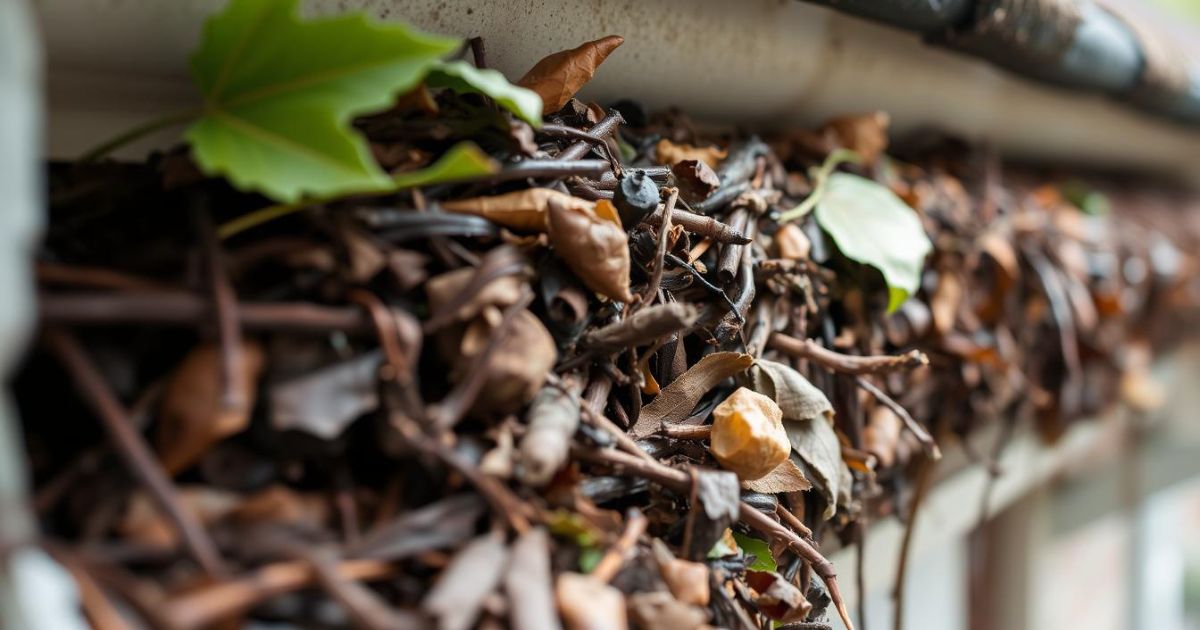
Leaves, twigs, and granules from roof shingles can accumulate in gutters, creating dams that prevent water flow. This standing water becomes a breeding ground for mosquitoes and can seep into your roof structure or overflow onto your siding.

How to Clean Downspouts Effectively
While many homeowners clean their gutters, they often forget about the downspouts. Here’s a simple process to ensure your downspouts remain clear:
- Remove debris from the gutter near the downspout opening
- Use a garden hose to flush water down the downspout
- If water backs up, there’s a clog that needs addressing
- Use a plumber’s snake to dislodge stubborn clogs
- For persistent clogs, remove the downspout and clean it separately
- Flush again with water to ensure the clog is completely cleared
Dealing with Frozen Gutter Downspout Issues
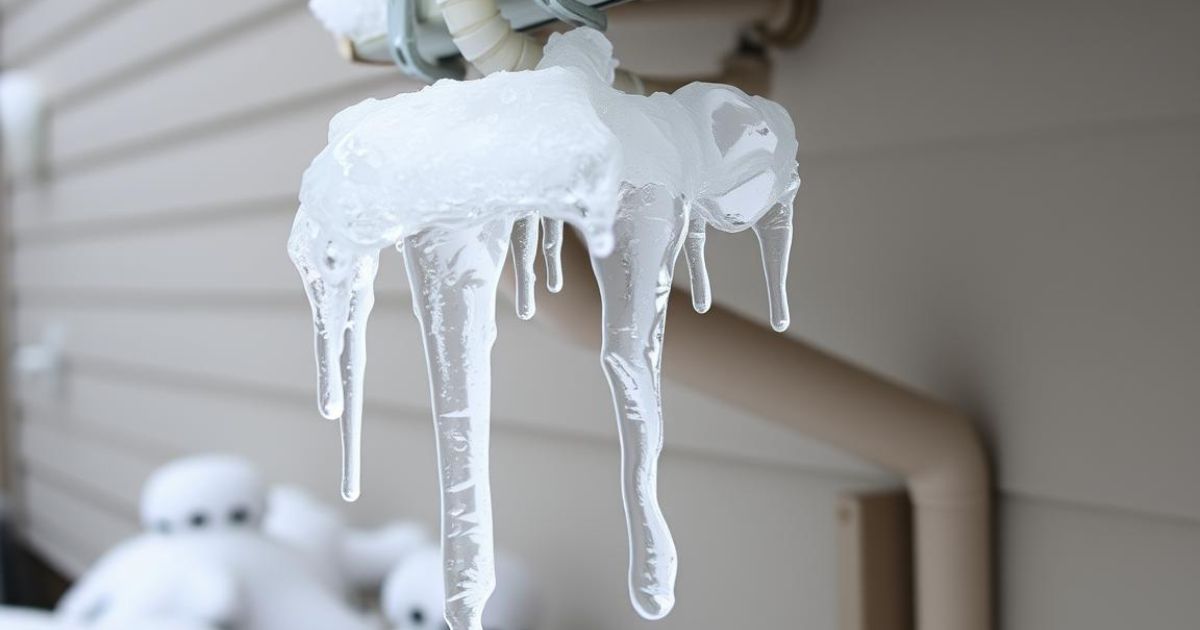
In colder climates, frozen downspouts present a serious winter challenge. When water freezes in the downspout, it can back up into the gutter, creating ice dams that can damage your roof and gutters.
Winter Maintenance Tip:
Never use a hammer or other hard tools to break ice in gutters or downspouts. This can damage the system. Instead, use calcium chloride ice melt products specifically designed for roof use, or install heating cables before winter arrives.
Planning Downspout Drainage the Smart Way
The most overlooked aspect of gutter downspout installation is what happens to the water after it exits the downspout. Without proper drainage planning, even the best gutter system can lead to foundation problems.
Beyond the Downspout: Drainage Solutions
Splash Blocks Underground Drainage Pipes Rain Barrels
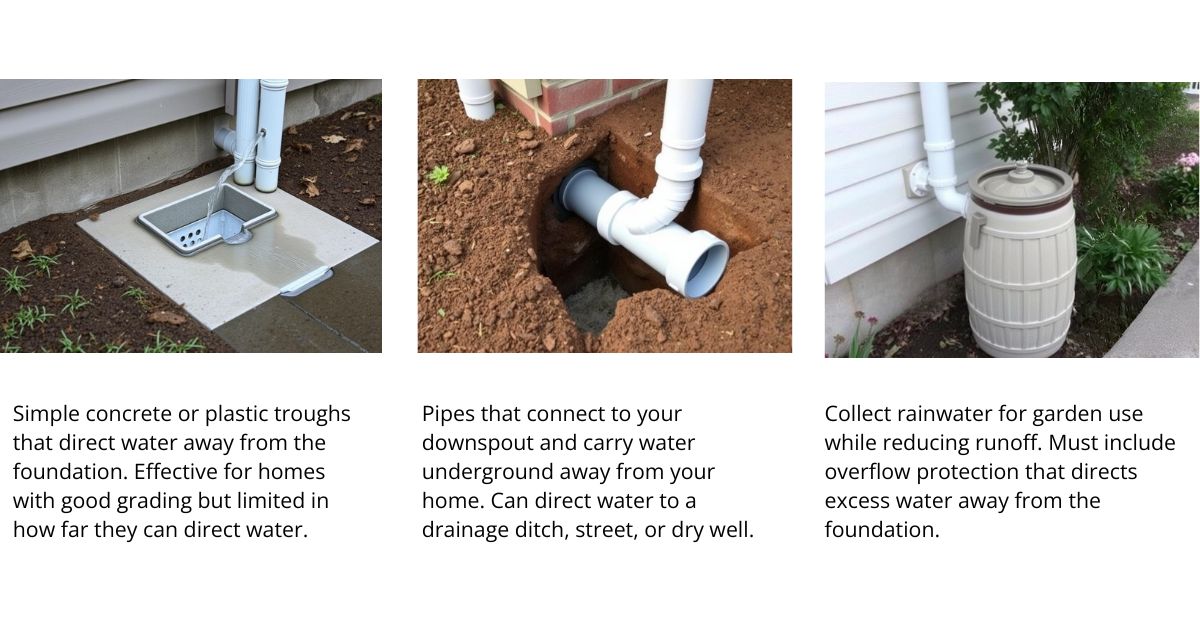
Grading Considerations
The ground around your home should slope away from the foundation at a rate of about 1 inch per foot for at least 6 feet. Proper grading works with your gutter system to ensure water moves away from your home.
Winter Considerations for Downspout Drainage
In colder climates, frozen ground can prevent proper drainage. Underground drainage systems must be installed below the frost line, and above-ground solutions should account for snow accumulation and ice formation.
Warning: Never direct downspout water toward a neighbor’s property. This can create legal liability if water damages their property. Always ensure drainage stays within your property boundaries or connects to approved municipal drainage systems.
FAQs
How much does professional gutter downspout installation cost?
Professional gutter and downspout installation typically costs between $4 and $9 per linear foot for standard materials like aluminum, with the total project ranging from $900 to $5,000 depending on home size, material choice, and complexity. Copper installations can exceed $20 per linear foot.
Can I install gutters and downspouts myself?
While DIY installation is possible, especially with vinyl systems, it requires specialized tools, precise measurements, and careful attention to slope calculations. Most homeowners find that professional installation ensures proper water management and often comes with warranties that DIY installations lack.
How often should gutters and downspouts be cleaned?
Most homes require gutter cleaning at least twice a year—in late spring and early fall. Homes surrounded by trees may need quarterly cleaning. Regular inspection after major storms is also recommended to check for clogs or damage.
What’s the best way to prevent leaves from clogging my gutters?
Gutter guards or screens can significantly reduce debris accumulation. Mesh screens, foam inserts, and surface-tension covers are all effective options depending on your local foliage type. While they don’t eliminate the need for occasional maintenance, they can reduce cleaning frequency substantially.
Protect Your Home with Proper Gutter Downspout Installation
Your home’s gutter system plays a crucial role in protecting your foundation, siding, landscaping, and basement from water damage. By avoiding the common mistakes outlined in this guide, you can ensure your gutter downspout installation provides effective protection for years to come.
Remember that proper material selection, correct sizing, strategic downspout placement, and thoughtful drainage planning are all essential components of an effective rainwater management system. Whether you’re installing new gutters or upgrading an existing system, these considerations will help you make informed decisions.
Get Expert Help With Your Gutter Project
Our specialists can help you design and install the perfect gutter system for your home’s unique needs.
Schedule a Free Consultation

