
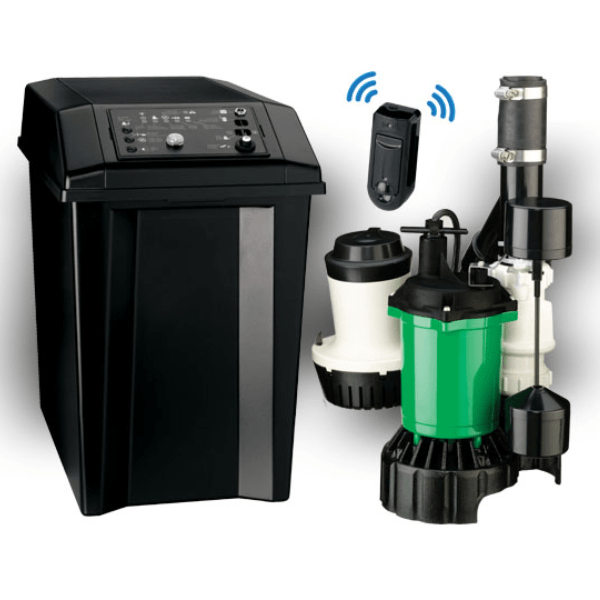
How Sump Pumps Work
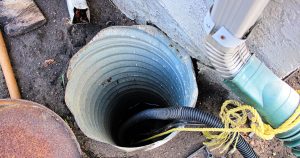
Sump pumps are essential tools for protecting basements from flooding. They work in conjunction with a sump pit, a hole dug into the basement floor to collect water.
The drainage process begins when water seeps into the basement through cracks in the foundation or accumulates due to high groundwater levels. This water flows into the sump pit, activating the sump pump.
The submerged sump pump pushes water through a discharge pipe to a storm drain or dry well. The installed drain tiles, buried around the foundation, collect water and direct it towards the sump pit, ensuring efficient water removal.
Types Of Sump Pumps
There are three primary types of sump pumps, each with its own unique features and benefits:
1. Submersible Sump Pumps: These pumps are fully submerged in the sump pit, making them quieter and more efficient than pedestal pumps. They are ideal for most residential applications due to their reliable performance and ability to handle large volumes of water.
2. Pedestal Sump Pumps: Pedestal pumps have the motor located above the sump pit, making them less efficient and noisier than submersible pumps. They are often used in smaller applications or when space is limited.
3. Battery Backup Sump Pumps: These pumps are equipped with a battery backup system, allowing them to continue operating during power outages. They are essential for homes in areas prone to frequent power interruptions, as they can prevent basement flooding even in the absence of electricity.
The best type of sump pump for you will depend on your specific needs, budget, and the frequency of power outages in your area.
Comparison Of Sump Pump Types
Submersible pumps are generally quieter, more efficient, and require less maintenance than pedestal pumps. However, they tend to be more expensive upfront.
Battery backup pumps offer the added benefit of protection during power outages, but they also come with a higher initial cost.
The best type of sump pump for you depends on your specific needs and budget. If you live in an area prone to power outages, a battery backup pump is highly recommended.
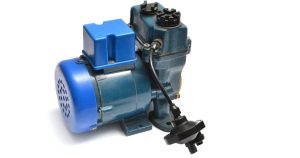
Choosing The Right Sump Pump For Your Home
Choosing the right sump pump is crucial for protecting your home from water damage. Here are some key factors to consider:
Pump Capacity:
Determine the amount of water your home typically deals with during heavy rains or snow melts.
Consider the size of your basement or crawlspace and the water table level in your area.
A higher GPH (gallons per hour) rating indicates the pump can handle more water.
Flow Rate:
The pump’s capacity should match the expected water inflow in your basement. If you live in an area with frequent heavy rainfall or high groundwater levels, you’ll need a pump with a higher flow rate.
Consider the size of your basement and the amount of water it can potentially accumulate.
Horsepower:
A higher horsepower rating generally indicates a more powerful pump.
However, a higher horsepower doesn’t necessarily mean a better pump for every situation.
Evaluate your specific needs and choose a pump with the appropriate horsepower.
Head Pressure:
The pump must be able to lift water to the desired discharge point, which is typically outside your home. Assess the vertical distance the pump needs to lift water to discharge it outside.
The higher the discharge point, the more head pressure the pump will need.
Measure the vertical distance from the sump pit to the discharge point to determine the required head pressure.
Noise Level:
If noise is a concern, consider a submersible pump, which is generally quieter than pedestal pumps.
Pedestal pumps are often noisier due to their design.
If the sump pit is located in a living area, a quieter pump is essential.
Power Source:
If you live in an area prone to power outages, a battery backup pump is crucial to prevent basement flooding.
Solar-powered pumps can also be a sustainable option.
Consider the frequency of power outages in your area when making your decision.
By carefully considering these factors, you can choose the right sump pump for your home and ensure effective protection against water damage.
Professional Consultation For Sump Pump Installation: A Wise Investment
Consulting with a plumbing or HVAC professional can help you select the most appropriate sump pump for your specific needs. They can assess your basement, evaluate water flow rates, and recommend the best pump size and type.
When considering installing a sump pump in your home, consulting with a qualified professional is highly recommended. Here’s why:
- Accurate Assessment: Professionals can assess your basement’s specific needs and recommend the most suitable sump pump for your situation.
- Expert Installation: Ensure proper installation to prevent future problems and optimize the pump’s performance.
- Maintenance Guidance: Receive valuable tips on regular maintenance and troubleshooting.
- Peace of Mind: Rely on experts for a worry-free installation and long-term protection.
What To Expect From A Professional Consultation
When consulting with a professional, expect them to:
- Inspection: A professional will thoroughly inspect your basement, including the sump pit, foundation, and drainage system.
- Assessment: They will evaluate the water table level, soil conditions, and the frequency of water accumulation.
- Recommendations: Based on their findings, they will recommend the most appropriate sump pump type, size, and installation method.
- Cost Estimate: Receive a detailed breakdown of the expected costs, including the pump, installation, and any additional components.
Benefits Of Professional Installation
- Warranty: Many professionals offer warranties on their work, providing peace of mind.
- Expertise: Ensure proper installation for optimal performance and longevity.
- Troubleshooting Assistance: Receive support if you encounter any issues after installation.
Sump Pump Installation Process
The Installation Process of installing a sump pump includes the following.
- Choose the right location: The sump pit should be placed in the lowest point of the basement.
- Excavate the sump pit: Dig a hole of appropriate size to accommodate the sump pump and pit.
- Install the sump pit: Line the pit with a waterproof membrane and place the sump pump inside.
- Connect the discharge pipe: Route the discharge pipe to a suitable drainage point, such as a storm drain or dry well.
- Electrical connection: Ensure the sump pump is properly connected to a dedicated electrical outlet.
Regular Maintenance Tips For The Installed Sump Pump
By implementing a regular maintenance routine, you can prolong the lifespan of your sump pump and ensure it continues to operate at its peak performance. Here are some care tips for your installed sump pump:
- Inspect the Sump Pump Regularly: Check for any signs of wear, damage, or debris.
- Test the Sump Pump Monthly: Manually activate the pump to ensure it’s functioning properly.
- Clean the Sump Pit: Remove any sediment or debris from the sump pit to prevent clogs.
- Inspect the Discharge Pipe: Ensure the pipe is clear of obstructions and the water is flowing freely.
- Replace the Pump as Needed: If the pump is old or showing signs of wear, consider replacing it.
Addressing Common Issues
Even how tough sump pumps are even the best-installed systems can encounter problems. Let’s explore some common challenges and how to overcome them.
Clogged Sump Pump: Regularly clean the pump and check for debris.
Power Failures: Consider a battery backup or generator to ensure the pump continues to operate during power outages.
Unpleasant Odors: Check for mold or mildew growth and address the issue accordingly.
Noisy Pump: Inspect the pump for loose parts or misalignment.
Additional Tips About Sump Pump Installation
While the core steps of sump pump installation are relatively straightforward, there are additional factors to consider for optimal performance and long-term reliability. Let’s delve into some essential tips to ensure a successful installation.
Professional Installation: For optimal performance and peace of mind, consider hiring a professional to install your sump pump.
Warranty: Ensure your sump pump comes with a warranty for added protection.
Consider a Float Switch: A float switch can automatically activate the pump when the water level in the sump pit reaches a certain height.
Monitor Water Levels: Keep an eye on the water level in the sump pit to identify any potential issues early on.
By following these guidelines, you can ensure the proper installation and maintenance of your sump pump, protecting your home from water damage and maintaining a dry and comfortable basement.
Conclusion
Investing in professional consultation for your sump pump installation is a wise decision. It ensures you get the right pump for your needs, proper installation, and expert guidance for long-term maintenance. Protect your home from water damage and enjoy peace of mind with a professionally installed sump pump system.

