
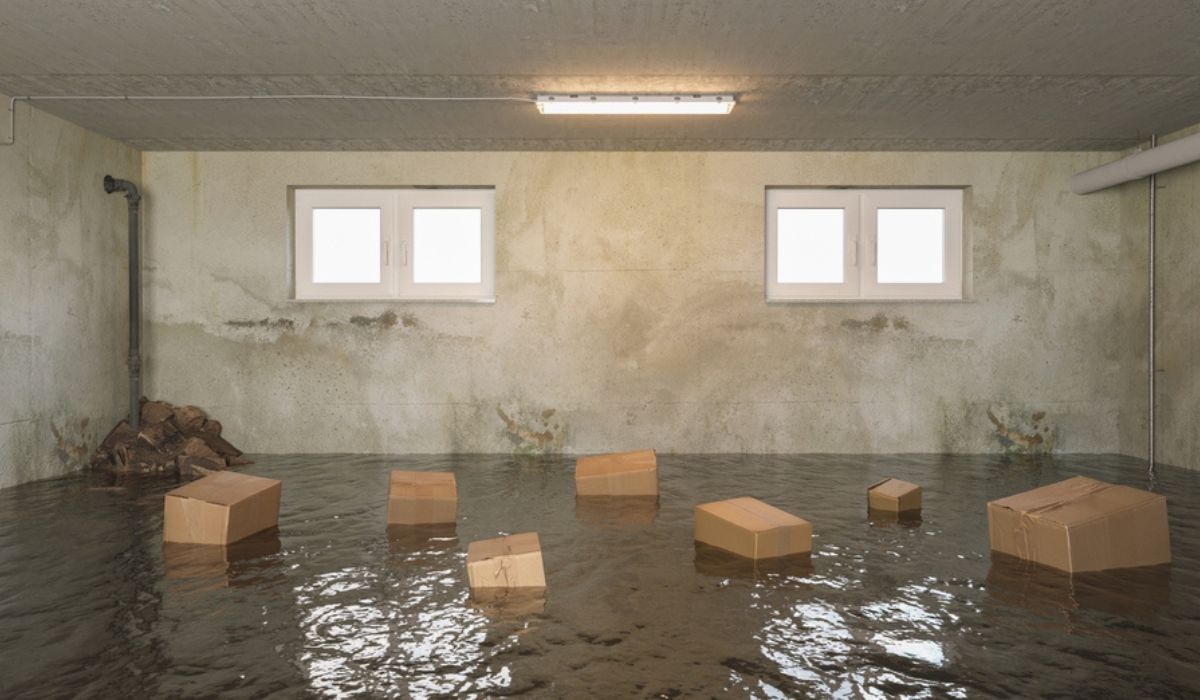
Understanding a Leaky Basement: What Causes Water in Your Basement?
After heavy rain, a leaky basement can quickly turn into a homeowner’s nightmare. Understanding what causes water in your basement is the first step in preventing further damage. Common culprits include the following;
Poor Drainage: Inadequate drainage systems can cause water to pool around your home’s foundation, leading to basement leaks.
Foundation Cracks: Cracks in your foundation can allow water to seep into your basement, especially after heavy rains.
Improper Grading: If the ground around your home slopes toward the foundation, it can direct water into your basement.
Clogged Gutters and Downspouts: When gutters or downspouts are clogged, rainwater can overflow and accumulate near the foundation, increasing the risk of leaks.
Hydrostatic Pressure: This pressure occurs when groundwater builds up around your foundation, pushing water through cracks or weak points in the basement walls or floor.
Failed or Missing Sump Pump: If your sump pump fails or isn’t installed, water can accumulate in your basement during heavy rains.
Window Wells: Improperly sealed or blocked window wells can allow water to enter the basement, especially during storms.
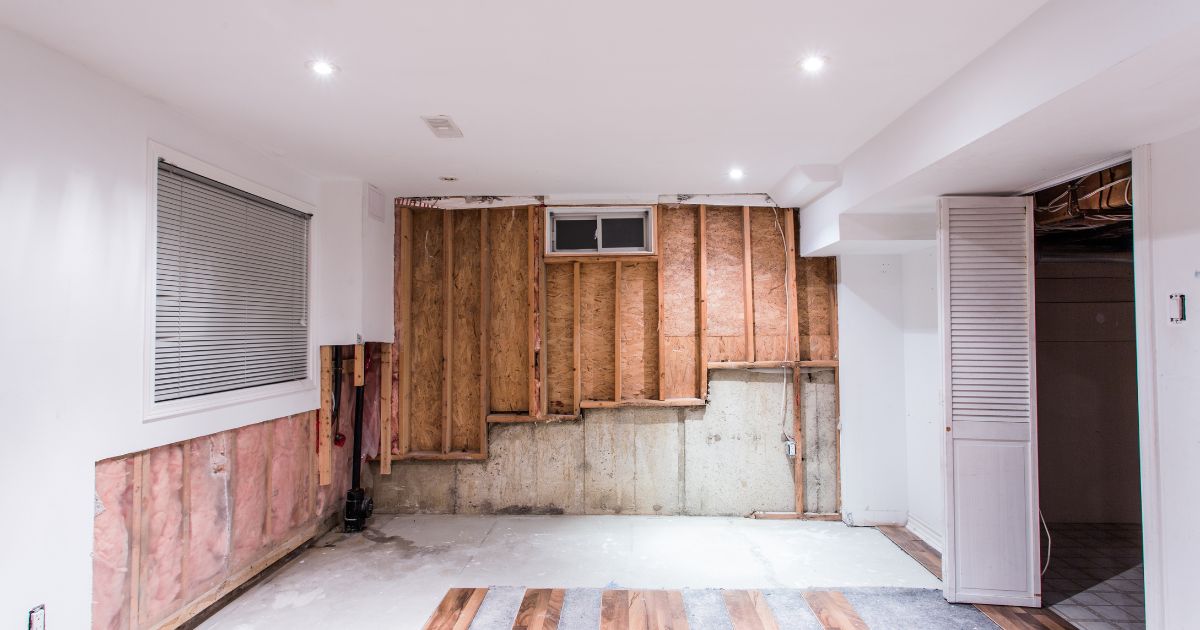
Step-by-Step Guide: Finding the Source of a Basement Leak After Heavy Rain
Step 1: Safety First
Before anything, check for electrical hazards. If there’s standing water near outlets or electrical appliances, don’t touch anything — call an electrician or your utility provider first.
Step 2: Check Obvious Entry Points Inside
Start from the lowest point in the basement and work upward.
- Look at wall-floor joints: Water often seeps where the wall meets the floor slab.
- Inspect cracks in the concrete walls or floor: Vertical and horizontal cracks can be entry points.
- Check around windows: Leaky window wells are a common culprit.
- Feel for dampness behind drywall or insulation if your basement is finished — moisture meters help here.
Tip: Use a flashlight — water reflects light. You might catch a slow trickle.
Step 3: Head Outside Right Away
The cause is usually easier to find outside right after the rain. Don’t wait days.
- Walk the perimeter of your foundation.
- Are there any puddles or pooling water along the walls?
- Does the grade (slope) send water toward the house?
- Check downspouts and eavestroughs.
- Are downspouts disconnected, broken, or dumping too close to the foundation?
- Are gutters overflowing? That might mean they’re clogged or undersized.
- Inspect window wells.
- Are they full of water? They may need covers or drains.
- Look for cracks in the foundation wall.
- Even small hairline cracks can leak during heavy rain.
Step 4: Perform a Water Test (Optional but Useful)
If you’re still not sure where the leak is coming from:
- Use a garden hose to simulate rain.
- Have someone stay in the basement while you soak one section of the foundation at a time for 10–15 minutes.
- Watch for moisture showing up inside.
Step 5: Take Photos and Notes
Document everything — location, how much water, how quickly it came in. This helps if you hire a pro (like us) or file an insurance claim.
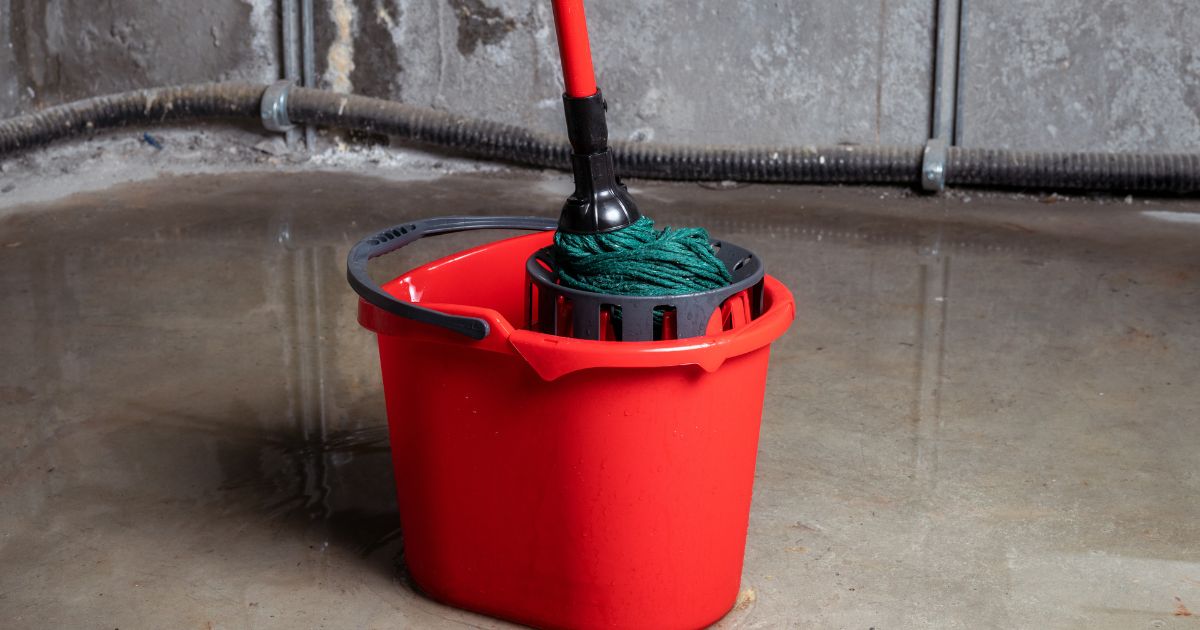
Next Steps: What Type of Leak Is It?
- Surface water intrusion? → You might need exterior grading, extended downspouts, or window well repairs.
- Seeping through cracks? → Interior crack injection or full waterproofing membrane might be needed.
- High water table or hydrostatic pressure? → Consider an interior weeping tile system with a sump pump.
When to Call a Pro
If the leak is frequent, large, or damaging finished parts of the basement — call a waterproofing specialist. In Hamilton, freeze-thaw cycles and clay soil make foundation issues common, so it’s worth having it inspected.
Temporary Solutions:
Use a sump pump: If the water level is rising, a sump pump can help remove excess water.
Place sandbags: Sandbags can be used to temporarily block water from entering your basement.
Long-Term Solutions For Basement Water Leak Repair
Once the immediate threat has been handled, it’s time to consider long-term basement water leak repair.
The most effective solution is understanding the root cause that often involves include the following:
Inspect the Foundation for Signs of Basement Flooding: Look for cracks, gaps, or other structural damage that may be contributing to water intrusion.
Assess Drainage: Check the efficiency of your gutters, downspouts, and drainage systems.
Identify Water Sources: Determine if the leak is coming from outside or inside the foundation.
Professional Long Term-Effective Solutions
- Foundation Repair:
Seal Cracks: Use a suitable sealant to seal cracks in the foundation.
Underpinning: If the foundation is severely damaged, consider underpinning to strengthen it.
- Drainage System Improvements:
Gutter and Downspout Maintenance: Ensure gutters and downspouts are clean and functioning properly.
French Drains: Install French drains to divert water away from the foundation.
Landscape Grading: Redirect water away from the foundation through proper grading. Proper grading helps manage the water table, especially during heavy rains, preventing it from rising and causing potential basement leaks.
- Interior Waterproofing:
Apply Waterproofing Coatings: Seal basement walls and floors with waterproofing coatings.
Install Sump Pumps: Use sump pumps to remove water that accumulates in the basement.
Install Drain Tiles: Consider installing drain tiles around the perimeter of your basement to divert water away from the foundation and prevent moisture buildup. Drain tile can be particularly effective to waterproof areas with high groundwater levels.
- Exterior Waterproofing:
Gutter Cleaning: Regularly clean gutters to prevent clogs and ensure proper water flow.
Driveway Concrete Waterproofing: Seal your driveway to prevent water infiltration.
Regular Inspections: Conduct regular inspections of your basement, including checking the drywall, and outdoor areas to identify and address potential leaks early.
Common Basement Leak Repair Methods & Costs
1. Interior Waterproofing
-
Description: Involves installing drainage systems like weeping tiles or sump pumps inside the basement to manage water intrusion.
-
Cost: Approximately $70 to $195 per linear foot.
2. Exterior Waterproofing
- Description: Entails excavating around the home’s foundation to apply waterproof membranes and install drainage systems externally.
- Cost: Roughly $100 to $300 per linear foot.
3. Foundation Crack Repair
-
Description: Addresses cracks in the foundation walls using methods like epoxy injections.
-
Cost: Typically ranges from $1,500 to $3,000 per crack.
4. Sump Pump Installation
-
Description: Involves installing a pump system to remove accumulated water from the basement.
-
Cost: Between $560 and $3,500, depending on the system’s complexity
5. Window Well Installation
-
Description: Adds or replaces window wells to prevent water from entering through basement windows.
-
Cost: Approximately $1,600 to $3,800.
Factors Influencing Repair Costs
-
Extent of Damage: More severe water intrusion or structural damage will increase repair costs.
-
Foundation Type: Concrete, block, or stone foundations may require different repair approaches.
-
Accessibility: Limited access to certain areas can complicate repairs and raise costs.
-
Soil Conditions: Clay or rocky soils can make excavation more challenging and expensive.
-
Basement Size: Larger basements require more materials and labor.
Tips to Manage Costs
-
Obtain Multiple Quotes: Consult several reputable contractors to compare prices and services.
-
Consider Interior Solutions: If feasible, interior waterproofing is generally less expensive than exterior methods.
-
Check for Rebates: Some municipalities offer rebates for installing sump pumps or backwater valves.
-
Plan During Dry Seasons: Scheduling repairs during drier months can prevent delays and additional costs.
Preventing Future Water In Your Basement: Maintenance Tips
Preventing water in your basement after heavy rain is all about regular maintenance.
Regular maintenance: Ensure your gutters, downspouts, and drainage systems are clean and functioning properly.
Landscape grading: Proper grading can help to divert water away from your foundation.
Foundation sealing: Sealing cracks in your foundation can help prevent water infiltration.
Conclusion:
Dealing with a leaky basement after heavy rain can be overwhelming, but taking immediate action and addressing the underlying causes can save you from more significant problems in the future.
Whether it’s through DIY solutions or professional basement water leak repair, the key is to stay proactive and protect your home from water damage. Regular maintenance and proper waterproofing are essential in ensuring your basement stays dry, even during the heaviest downpours.

