

French drain installation is a valuable solution for property owners struggling with drainage problems. Poor drainage can lead to frustrating issues such as water pooling, soil erosion, and even damage to your home’s foundation.
By effectively directing excess water away from your yard, French drain installation can prevent further damage and improve the overall health and appearance of your landscaping.
In this article, we’ll address the pain points associated with poor drainage and provide a comprehensive guide to the benefits of French drains.
What Is A French Drain?
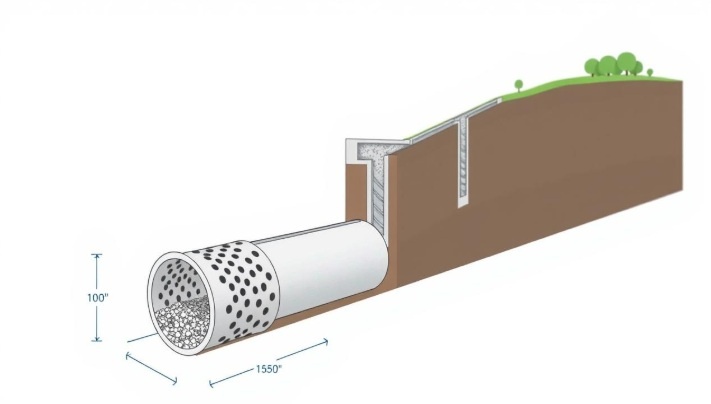
A French drain is a drainage system designed to manage excess water in your yard and prevent flooding. It consists of a trench filled with gravel or rock that contains a perforated pipe at the bottom. The primary purpose of a French drain is to redirect surface and groundwater away from specific areas, such as basements, patios, or gardens, ensuring that water does not accumulate and cause damage. By incorporating French Drain Installation for Landscaping into your yard, you can significantly improve how water is managed on your property.
Components Of A French Drain System
A typical French drain system includes several key components:
Trench: A shallow ditch dug into the ground where the drain will be installed. The depth and width of the trench depend on the specific drainage needs of your yard, making French Drain Installation for Landscaping highly customizable.
Perforated Pipe: This is the heart of the French drain. The pipe has small holes along its length that allow water to enter while preventing soil and debris from clogging the system. The pipe is usually made of PVC or flexible plastic.
Gravel or Rock: Surrounding the perforated pipe, gravel or rock provides a filtration layer that helps facilitate water flow into the pipe while allowing for proper drainage. This layer also prevents soil from washing into the pipe.
Filter Fabric: Often used to line the trench, this fabric helps keep soil and debris out of the gravel and pipe, ensuring that the system remains effective over time.

How It Works To Redirect Water
French drains operate on a simple yet effective principle: gravity. When it rains or when the ground becomes saturated, excess water flows into the trench and through the gravel. The perforated pipe captures this water, allowing it to flow away from the problem area and into a designated drainage outlet, such as a storm drain, dry well, or a lower area of the yard.
By creating a pathway for water to escape, French drains help prevent water accumulation, reducing the risk of flooding and water damage. This system not only protects your landscaping but also contributes to the overall health of your yard by maintaining proper moisture levels and preventing soil erosion.
Benefits Of Installing A French Drain
Installing a French drain offers numerous benefits that can significantly enhance the health and aesthetics of your yard. Here are some of the key advantages:
Prevents Water Pooling And Flooding
One of the primary benefits of a French drain is its ability to prevent water pooling and flooding in your yard. By effectively redirecting excess water away from vulnerable areas, French Drain Installation for Landscaping helps eliminate standing water that can lead to muddy patches, erosion, and damage to your landscape. This is especially crucial during heavy rainfall or in regions prone to flooding, ensuring your yard remains dry and usable.
Protects Landscaping Investment
Your landscaping represents a significant investment in your property. Poor drainage can lead to the deterioration of plants, soil erosion, and even structural damage to hardscapes like patios and walkways. But with French Drain Installation for Landscaping, you protect this investment by ensuring that your plants receive the right amount of moisture without the risk of over-saturation while maintaining the health and beauty of your outdoor space.
Improves Soil Health And Plant Growth
Healthy soil is vital for thriving plants, and proper drainage plays a crucial role in maintaining soil health. Excess water can lead to anaerobic conditions, where the soil lacks sufficient oxygen, harming root systems and promoting the growth of harmful fungi.
This is where French Drain Installation for Landscaping shines most. It helps maintain optimal moisture levels, allowing for better aeration and drainage. As a result, your plants can grow stronger and healthier, leading to a more vibrant landscape.
Raises The Value Of The Property
We all love to look at a well-maintained yard. But that picture-perfect yard that captivates us is not without science. Landscapers use effective drainage solutions like French Drain Installation for Landscaping that can significantly enhance the aesthetic appeal of your property and boost its market value at the same time.
Potential buyers are often deterred by homes with drainage issues, as they can foresee the potential for costly repairs and maintenance. By installing a French drain, you demonstrate that you have taken steps to address drainage concerns, making your property more attractive to buyers. This investment not only improves your current living experience but also pays off in the long run should you decide to sell your home
When To Consider A French Drain
Recognizing when to install a French drain is crucial for maintaining the health of your yard and preventing water-related issues. Here are some signs of poor drainage and situations that may warrant the installation of a French drain
Signs That You Need French Drain Installation For Landscaping
Standing Water: If you notice puddles or standing water in your yard after rain, it’s a clear indication that drainage issues exist. This stagnant water can lead to soil erosion and plant damage.
Wet or Soggy Soil: Consistently wet or soggy soil, especially in certain areas of your yard, suggests that water is not draining properly. This condition can harm your plants and create an unhealthy environment for your landscape.
Erosion: If you observe soil erosion or washed-out areas in your yard, it may be a sign that water is flowing inappropriately. Erosion not only damages your landscaping but can also affect the stability of structures on your property.
Basement Moisture: If your basement or crawl space experiences moisture or flooding, it’s essential to address drainage issues immediately. A French drain can help redirect water away from your home’s foundation.
Mold and Mildew Growth: Excess moisture in your yard can lead to mold and mildew growth on plants, pathways, and even your home. If you notice these issues, it may be time to consider a drainage solution like French Drain Installation for Landscaping.
Situations That Requires French Drain Installation
1. Heavy Rainfall: In areas that experience heavy rainfall, the likelihood of drainage issues increases. If your yard struggles to handle rainwater runoff, installing a French drain can help manage excess water effectively.
2. Sloping Yards: If your yard has a significant slope, water can flow rapidly, leading to erosion and pooling in low-lying areas. A French drain can help redirect this water, preventing damage and maintaining soil integrity.
3. New Landscaping Projects: When undertaking new landscaping projects, especially those that involve grading or altering the land, consider installing a French drain. This proactive measure can help manage water flow and protect your new plants and features.
4. Proximity to Water Sources: If your property is near lakes, rivers, or other bodies of water, you may be at a higher risk for drainage problems. A French drain can help redirect excess water and mitigate the risk of flooding.
5. Existing Drainage Systems: If you have existing drainage systems that are failing or inadequate, it may be time to upgrade or install a French drain to enhance water management in your yard.
Assessing Your Yard’s Drainage Needs For French Drain Installation
Before you begin the installation process, it’s essential to evaluate your yard’s specific drainage issues.
Start by observing how water behaves during and after rainfall:
Identify Problem Areas: Take note of any areas where water tends to pool or where the soil remains consistently wet. These spots are prime candidates for French drain installation.
Check the Slope: Assess the slope of your yard. Ideally, water should flow away from your home and into designated drainage areas. If you notice areas where water flows toward your foundation or other structures, a French drain may be necessary.
Consider Soil Type: Different soil types have varying drainage capabilities. Sandy soils typically drain well, while clay soils can retain water. Understanding your soil type can help you determine the best approach for drainage solutions.
Choosing The Right Location For The French Drain Installation
Selecting the optimal location for your French drain is crucial for its effectiveness. Here are some tips to help you choose:
Distance from Structures: Position the drain at least 10 feet away from your home’s foundation to prevent water from accumulating near your basement or crawl space.
Natural Low Points: Identify natural low points in your yard where water tends to collect. Installing the French drain in these areas will help redirect water effectively.
Path of Least Resistance: Plan the route of the drain to follow the path of least resistance, allowing water to flow naturally toward the drain. Avoid sharp bends or obstacles that could impede water flow.
Outlet Options: Consider where the water will be directed once it enters the drain. Ideally, it should flow toward a storm drain, dry well, or a lower area of your yard that can handle excess water.
Professional French Drain Installation Guide
Installing a French drain can be a manageable if you follow the right steps. Here’s a comprehensive guide, including the tools you’ll need and detailed installation steps.
Tools Required For Installation
Before you start, gather the following tools:
Shovel: For digging the trench.
Trenching Tool: To create a narrow trench.
Level: To ensure the pipe is sloped correctly.
Wheelbarrow: For transporting gravel and other materials.
Perforated Pipe: The main component of the French drain.
Gravel: For drainage and backfilling.
Filter Fabric: To prevent soil from clogging the system.
Tape Measure: For measuring the dimensions of the trench.
Marker or Spray Paint: To mark the area for digging.
Pros Installation Steps for French Drain Installation
1. Marking the Area
Route Planning: A professional will evaluate your yard’s slope, water pooling spots, and ideal drainage outlet. The path is then clearly marked using stakes and string to guide accurate trenching.
2. Digging the Trench
Precision Digging: Using professional-grade tools, the trench is dug to approximately 18 inches deep and 12 inches wide, with a consistent slope.
Slope Setup: The trench is sloped at about 1% grade (1 inch per 8 feet) to ensure effective water flow toward the outlet. Laser levels or builder’s levels are used for precision.
Slope: Ensure the trench has a slight slope (about 1% grade or 1 inch per 8 feet) to facilitate water flow toward the drainage outlet. Use a level to check the slope as you dig.
3. Installing the Filter Fabric
Fabric Lining: The trench is lined with high-quality filter fabric, leaving enough overlap to fold over the gravel later. This barrier prevents soil intrusion and extends the drain’s lifespan.
Slope Verification: The slope is rechecked to confirm consistent flow toward the outlet.
4. Laying the Perforated Pipe
Pipe Placement: A perforated pipe is laid in the trench with holes facing down. The pipe follows the trench’s slope to direct water efficiently toward the exit point.
5. Covering the Pipe with Gravel
Gravel Fill: Clean drainage gravel is added around and over the pipe until it’s just below ground level. This layer enhances filtration and helps guide water into the pipe.
6. Wrapping the Filter Fabric
Enclosure: The excess filter fabric is folded over the gravel to completely wrap the drain system. This protects it from future clogs by blocking soil and debris.
7. Backfilling the Trench
Final Touch: The trench is backfilled with topsoil, mulch, or sod to blend seamlessly with the surrounding landscape. The surface is leveled to prevent new drainage issues from forming.
Tips For Ensuring Proper Drainage
Regular Maintenance: Periodically check the French drain for clogs or debris. Clear any obstructions to maintain optimal water flow.
Monitor Water Flow: After heavy rainfall, observe how well the drain is functioning. If you notice pooling or slow drainage, consider adjusting the slope or clearing any blockages.
Consider Additional Drainage Solutions: In areas with significant water flow, you may want to combine the French drain with other drainage solutions, such as dry wells or catch basins, for enhanced effectiveness.
Frequently Asked Questions About French Drain
What Is The lifespan Of A French drain?
The lifespan of a French drain can vary based on materials used and maintenance practices. Generally, a well-installed French drain can last anywhere from 30 to 50 years. Regular maintenance, such as clearing debris and ensuring proper water flow, can help extend its lifespan.
Can I install A French drain myself?
Yes, many homeowners can install a French drain themselves with the right tools and guidance. However, it requires careful planning, digging, and knowledge of proper drainage techniques. If you’re unsure about any part of the process, consider consulting a professional to ensure it’s done correctly.
How do I know if my French drain is working properly?
To determine if your French drain is functioning correctly, monitor the following:
Monitor the Water Flow: After heavy rainfall, observe whether water is being redirected away from problem areas.
No Standing Water: Check for any standing water in your yard; if it persists, your drain may be clogged or improperly installed.
Inspection: Periodically inspect the drain for blockages, debris, or signs of erosion around the discharge area.
Conclusion
In summary, French drains offer numerous benefits that can significantly enhance the health and functionality of your yard. By effectively managing excess water, they prevent pooling and flooding, protect your landscaping investment, improve soil health, and ultimately increase your property value.
As you consider the condition of your yard, it’s essential to assess your drainage needs carefully. Identifying signs of poor drainage early can save you from more significant issues down the line. Whether you decide to tackle the installation yourself or seek professional assistance, understanding your yard’s unique requirements is crucial.
If you’re unsure about the best approach or feel overwhelmed by the installation process, don’t hesitate to consult with a professional. They can provide valuable insights and ensure that your French drain is installed correctly, maximizing its effectiveness and safeguarding your property for years to come. Take action today to create a healthier, more beautiful outdoor space!
Dive Deeper – Explore More Here!
- Leaky Basement: Causes, Solutions, and Repair Options
- Homeowners Leaky Basements Repair Guide in Toronto
- What Is Crawl Space Encapsulation? A Comprehensive Guide for Homeowners
- What Is a Sump Pit Drainage System? Understanding Its Role in Home Drainage Systems

