
Basement window wells serve an important purpose for your home, providing emergency exits and allowing natural light into below-grade spaces. But should you cover them? Window well covers offer protection from debris, water infiltration, and potential safety hazards, but they come with considerations that every homeowner should understand before making a decision.
In this comprehensive guide, we’ll explore the advantages and disadvantages of basement window well covers, examine different material options, and help you determine if covering your window wells is the right choice for your home.
Pros & Cons of Covering Basement Window Wells
Before investing in basement window well covers, it’s important to understand both the benefits and potential drawbacks they offer to your home.
Safety Benefits
Window well covers provide crucial safety advantages for homeowners, particularly those with children or pets. Open window wells can pose significant fall hazards, with depths often exceeding 3-4 feet. Quality covers can support substantial weight—many polycarbonate options can hold between 200-500 pounds when properly installed.
Beyond preventing falls, covers also keep wildlife from becoming trapped in your window wells. Raccoons, rabbits, and other small animals frequently fall into uncovered wells and can damage windows while attempting to escape.
Energy Efficiency Considerations
Window well covers can contribute to your home’s energy efficiency by providing an additional barrier against cold air infiltration during winter months. This extra layer of insulation helps maintain more consistent basement temperatures and can potentially reduce heating costs.
During summer, certain cover materials with UV-resistant properties can reduce heat gain through basement windows, helping maintain cooler temperatures without increasing air conditioning demands.

Natural Light Trade-offs
One consideration when selecting window well covers is their impact on natural light. While clear polycarbonate covers allow approximately 90% of sunlight to pass through, mesh or metal grate covers may reduce light transmission by 30-40%. This reduction can significantly affect the brightness of your basement space.
If maintaining maximum natural light is important, look for covers specifically designed with optical clarity and UV-resistant properties that won’t yellow or cloud over time.
Maintenance Considerations
Window well covers reduce the maintenance required for your window wells by preventing leaves, debris, and snow from accumulating. This protection keeps drainage systems clear and functioning properly, which is essential for preventing water damage to your basement.
However, covers themselves require occasional cleaning to maintain visibility and light transmission. Most can be hosed off seasonally, though some materials may need special cleaning solutions to prevent scratching or damage.
Advantages of Window Well Covers
- Prevents children and pets from falling into wells
- Keeps leaves, snow, and debris out
- Reduces water infiltration during heavy rain
- Blocks pests and wildlife from entering
- Adds insulation value to basement windows
- Decreases window well maintenance
- Enhances curb appeal compared to open wells
Disadvantages of Window Well Covers
- May reduce natural light depending on material
- Requires proper installation for safety
- Some materials can yellow or degrade over time
- Potential emergency exit impediment if not properly designed
- Initial cost investment
- May require seasonal cleaning
- Cheap covers can crack under weight or weather stress
Protect Your Family and Home
Get a custom window well cover estimate based on your exact measurements. Our experts will help you choose the right material and design for your specific needs.
Disadvantages of Uncovered Window Wells
Leaving your basement window wells uncovered exposes your home to several potential problems that can lead to costly repairs and safety hazards.
Flood Risks
Uncovered window wells act as collection points for rainwater, especially during heavy storms. When water accumulates faster than drainage systems can handle, it creates hydrostatic pressure against your basement windows and can lead to leaks and flooding.
Snow accumulation in uncovered wells presents another flood risk. As temperatures rise, melting snow can quickly overwhelm drainage systems and seep into your basement, causing water damage to walls, flooring, and personal belongings.
Pest Entry Points
Open window wells provide convenient entry points for insects, rodents, and other pests seeking shelter. Once inside the well, these unwanted visitors may find small gaps around window frames or damaged seals that allow them access to your basement.
Common pests that exploit uncovered window wells include spiders, ants, mice, and even snakes. These creatures not only create nuisance issues but can also cause property damage and potential health concerns.
Structural Damage Concerns
Without covers, window wells collect organic debris like leaves and twigs that decompose over time. This decomposition creates acidic conditions that can accelerate corrosion of metal window wells and deterioration of concrete foundations.
Constant exposure to moisture, freeze-thaw cycles, and debris accumulation can compromise the structural integrity of your window wells and the surrounding foundation, potentially leading to costly repairs beyond just the well itself.

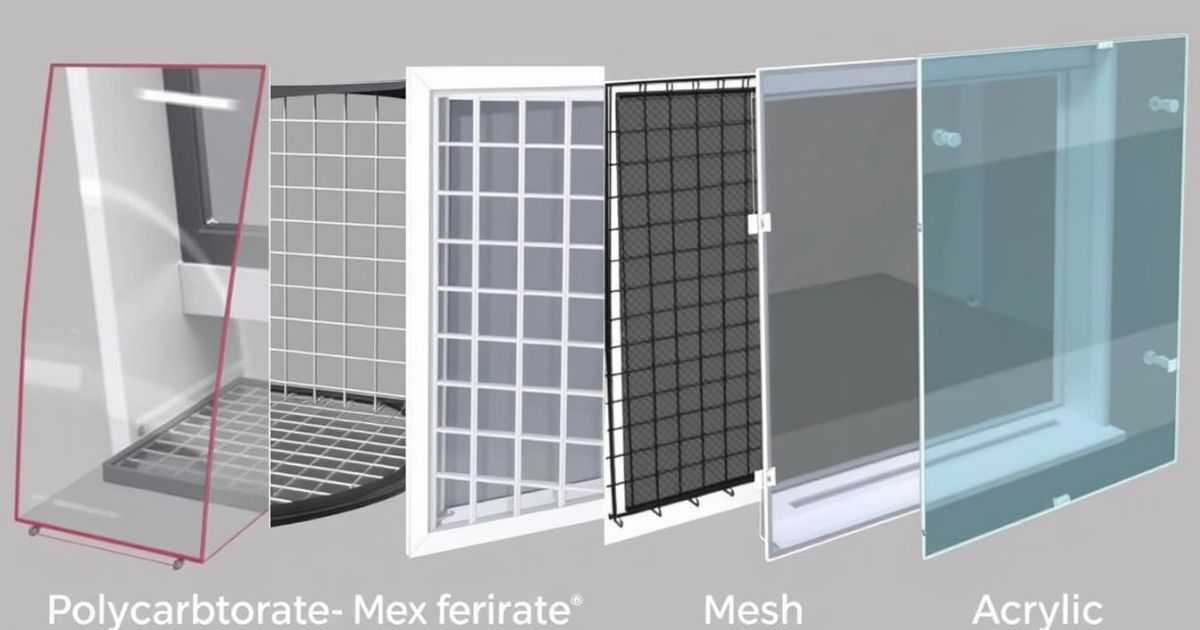
Material Comparison for Basement Window Well Covers
Choosing the right material for your window well covers is crucial for durability, functionality, and value. Each material offers distinct advantages for different situations and budgets.
|
Material |
Durability |
Light Transmission |
Weight Capacity |
Cost Range |
Best For |
| Polycarbonate | 15-20 years | 80-90% | 400-500 lbs | $150-$400 | Heavy snow areas, maximum safety |
| Metal Grates | 20+ years | 60-70% | 300+ lbs | $200-$500 | Ventilation, high-traffic areas |
| Mesh/Screen | 5-10 years | 70-80% | 100-200 lbs | $50-$150 | Debris prevention, budget options |
| Acrylic | 8-12 years | 85-92% | 200-300 lbs | $100-$300 | Light maximization, moderate climates |
Polycarbonate: Best for Heavy Snow Areas
Polycarbonate covers offer exceptional durability and strength, making them ideal for regions with heavy snowfall. These covers can support up to 500 pounds of weight when properly installed and feature UV-resistant properties that prevent yellowing and degradation over time.
The virtually unbreakable nature of polycarbonate makes it an excellent choice for families with children or in areas where safety is a primary concern. While more expensive initially, their longevity often provides better value over time compared to less durable materials.
Metal: Best for High-Traffic Areas
Metal grates, typically made from aluminum or steel, provide excellent ventilation while maintaining security. These covers allow for continuous airflow, which helps prevent moisture buildup and mold growth in your basement.
Powder-coated metal options resist corrosion and can last decades with minimal maintenance. Their strength makes them suitable for areas where people might occasionally walk over the covers, though they do reduce light transmission compared to transparent options.
Mesh: Budget-Friendly Option
Mesh or screen covers offer an economical solution for keeping debris and animals out of your window wells while still allowing for ventilation and light. These lightweight covers are easy to install and remove for cleaning or maintenance.
While not designed to support significant weight, mesh covers effectively prevent leaves, twigs, and other debris from clogging drainage systems. They’re ideal for homeowners primarily concerned with keeping window wells clean rather than safety or insulation benefits.
Acrylic: Maximum Light Transmission
Acrylic covers provide excellent optical clarity and light transmission, making them popular for homeowners who prioritize natural light in basement spaces. They’re lighter than polycarbonate but still offer reasonable durability in moderate climates.
These covers are more susceptible to scratching and may become brittle in extreme temperature fluctuations, making them better suited for temperate regions. Regular cleaning helps maintain their transparency and aesthetic appeal.
Find the Perfect Window Well Cover for Your Home
Browse our selection of custom window well covers in various materials and styles. Our experts can help you select the right option based on your climate, safety needs, and budget.
Is Covering Window Wells Worth It?
After weighing the pros and cons, most homeowners find that covering basement window wells is a worthwhile investment. The protection against water damage alone can save thousands in potential repair costs, while the added safety benefits provide peace of mind for families with children and pets.
The key to maximizing value is selecting the right material for your specific situation. Consider your local climate, safety requirements, budget constraints, and how much natural light you want to maintain in your basement space when making your decision.
For homes in regions with heavy precipitation or extreme weather, window well covers are particularly valuable. They extend the lifespan of your window wells, protect basement windows from damage, and help maintain proper drainage systems that prevent costly water infiltration.
Frequently Asked Questions
Do window well covers block emergency exits?
Quality window well covers are designed with emergency egress in mind. Building codes require that covers be removable from both inside and outside without special tools or knowledge. Look for covers with quick-release mechanisms or designs that can be easily pushed off from the inside during an emergency.
It’s important to periodically test your covers to ensure they function properly as emergency exits. Make sure all family members know how to remove the covers quickly if needed. Some manufacturers offer specific egress-compliant designs that meet local building code requirements.
Can window well covers withstand extreme weather?
High-quality window well covers are designed to withstand various weather conditions, but their performance depends on the material and construction. Polycarbonate covers can typically support 400-500 pounds of snow load, while metal grates allow snow to pass through but resist wind displacement.
In regions with extreme weather, look for covers with reinforced frames, proper anchoring systems, and materials rated for your climate zone. Some premium covers include features like drainage channels to direct water away from the well during heavy rainfall.
How do I measure for a window well cover?
Accurate measurements are crucial for proper fit and function. For circular wells, measure the diameter at the widest point and the projection (distance from the house to the outer edge). For rectangular wells, measure the width, projection, and the height if you need a bubble or dome-style cover.
Most manufacturers recommend adding 1-2 inches to your measurements to ensure the cover overlaps the well edges properly. For custom-shaped wells, templates or professional measuring services may be required to ensure a precise fit.
Are window well covers difficult to install?
Most window well covers are designed for relatively simple DIY installation. Flat covers typically rest on the well edges, while some designs include clips or brackets that secure the cover to the well or house foundation. Installation usually takes 30-60 minutes per cover with basic tools.
For larger or custom covers, professional installation may be recommended to ensure proper fit and function. Some manufacturers offer installation services or can recommend qualified installers in your area.
Key Takeaways
- Window well covers provide essential protection against water damage, debris accumulation, and safety hazards
- Material choice should be based on your climate, safety needs, and light requirements
- Polycarbonate offers the best combination of strength, durability, and light transmission
- Proper installation and fit are crucial for both safety and functionality
- Quality covers should allow for emergency egress while still providing protection
- The investment in well-made covers typically pays for itself through reduced maintenance and prevented water damage
- Custom-fit covers provide better protection than one-size-fits-all solutions
Protect Your Basement Window Wells Today
Ready to safeguard your home with custom window well covers? Our experts will help you find the perfect solution for your specific needs and provide a free, no-obligation estimate.

