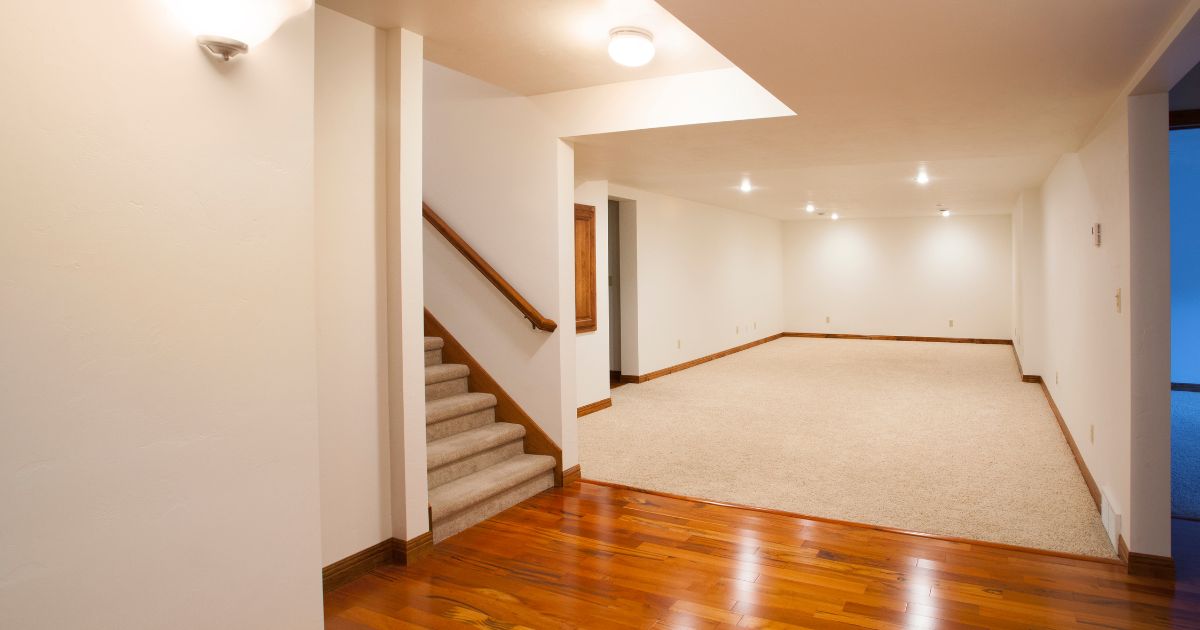
Homeowners often wonder what measures they can take to protect their basements from water damage. The answer lies in understanding the various waterproofing methods available and selecting the most appropriate one for their specific needs.
This article aims to guide you through the different waterproofing techniques, helping you make an informed decision to safeguard your home.
The Importance of Basement Waterproofing
Basement waterproofing is a critical aspect of home maintenance that prevents water damage and ensures a dry, healthy living space. Water intrusion can lead to a myriad of problems, including structural damage, mold growth, and decreased property value.
Common Causes of Basement Water Problems
Understanding the causes of basement water issues is crucial for effective prevention. Common culprits include poor drainage around the home, cracks in the foundation, and heavy rainfall. Identifying these issues early can help homeowners take proactive measures to waterproof their basements.
Signs Your Basement Needs Waterproofing
Homeowners should be vigilant for signs that their basement needs waterproofing, such as water stains, damp walls, and musty odors. Prompt action can prevent minor issues from becoming major problems. Regular inspections can help identify potential issues before they escalate.
Consequences of Ignoring Water Issues
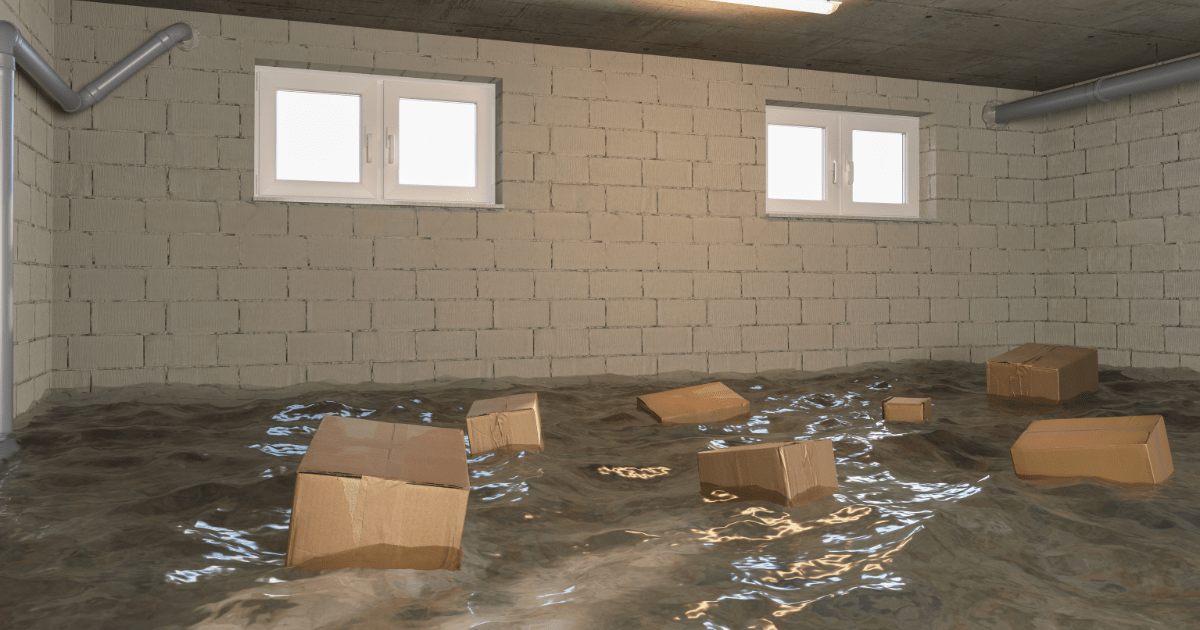
Ignoring water issues in the basement can have severe consequences, including costly repairs, health risks due to mold exposure, and even structural collapse in extreme cases.
While exploring the importance of basement waterproofing, it’s also worth noting that there are various methods to achieve a waterproof basement. Understanding them can help homeowners make informed decisions about their specific needs.
The Three Types of Basement Waterproofing
When it comes to protecting your basement from water intrusion, there are three primary waterproofing methods to consider. Each approach has its unique benefits and is suited to different types of water issues.
Interior Waterproofing Methods
Interior waterproofing involves applying sealants or coatings to the interior walls and floors of the basement to prevent water seepage. This method is often used for basements with minor water issues and can be a cost-effective solution.
Key Benefits: Less invasive, can be DIY, cost-effective for minor issues.
Process:
Interior waterproofing is not technically “waterproofing,” but rather a water management solution. It involves:
- Installing drainage channels or weeping tiles along the interior perimeter of the basement floor.
- Directing water to a sump pit, where a sump pump pushes it out and away from your home.
- Applying waterproof coatings or sealants to interior walls to reduce minor seepage and moisture vapor.
Best Applicability:
- Homes that experience water seepage through walls or floors during heavy rains.
- Finished basements that need moisture control without exterior excavation.
- Budget-conscious homeowners looking for an effective solution without major disruption.
Exterior Waterproofing Approaches
Exterior waterproofing involves excavating around the foundation and applying a waterproof membrane to the exterior walls. This method is more invasive but provides a comprehensive solution for severe water problems.
Key Benefits: Highly effective for severe water issues, long-lasting.
Process:
This is the most comprehensive and long-term method. It involves:
- Excavating around the foundation to expose the exterior walls.
- Cleaning and inspecting the foundation for cracks or damage.
- Applying a waterproof membrane or elastomeric coating to the walls.
- Installing a drainage board and exterior weeping tile (French drain) at the base of the footing.
- Backfilling with gravel and soil for proper drainage.
Best Applicability:
- New home constructions where access to the foundation is easy.
- Homes with significant water intrusion from the outside due to poor grading or high water tables.
- Long-term solutions that protect against hydrostatic pressure and structural damage.
Drainage Systems for Basement Protection
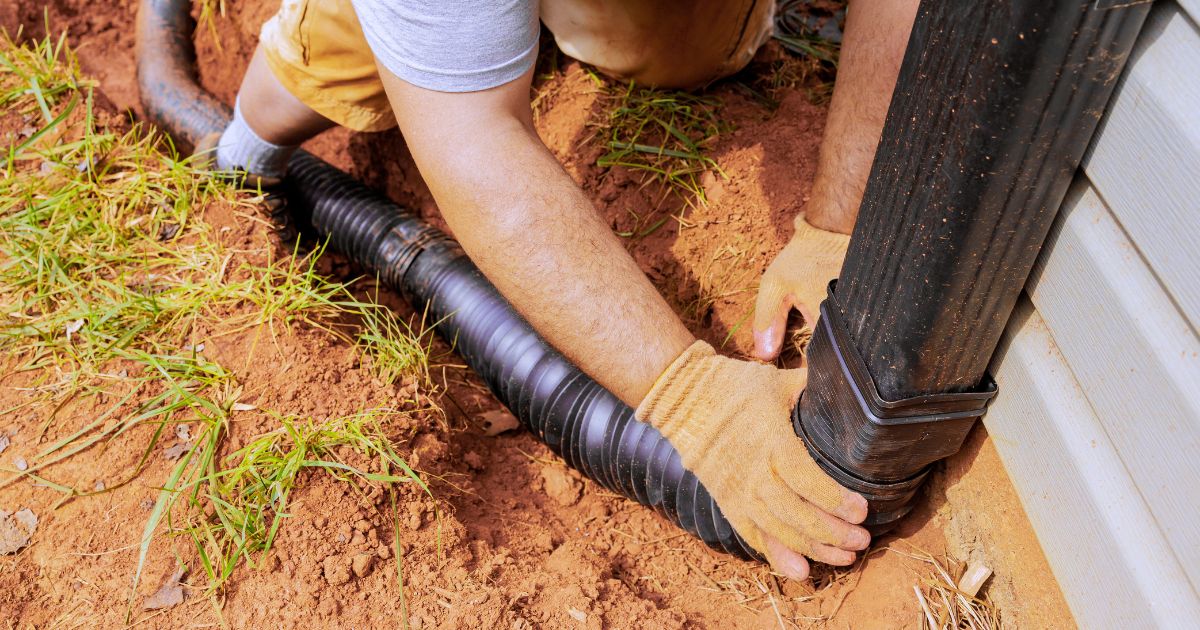
Drainage systems, such as French drains, are designed to redirect water away from the basement. These systems can be installed both interiorly and exteriorly and are crucial for managing water accumulation around the foundation.
Key Benefits: Effective for managing water accumulation, can be combined with other methods.
Process:
This method focuses on improving water diversion both inside and outside the home:
- Includes both interior and exterior systems like gutters, downspouts, surface grading, and French drains.
- Installation of sump pumps and backup systems to handle overflow.
- Crawl space encapsulation or vapor barriers may also be included.
Best Applicability:
- Homes with recurring basement flooding or high groundwater levels.
- Properties in areas with poor soil drainage or sloped yards.
- Homeowners looking for comprehensive protection that covers multiple entry points for water.
The Common Interior Basement Waterproofing Solutions
To combat basement water issues, interior waterproofing methods offer a range of solutions. Homeowners can choose from various techniques to keep their basements dry and secure.
Waterproof Sealants and Coatings
One of the simplest and most cost-effective ways to start waterproofing your basement from the inside is by applying waterproof sealants and coatings to walls and floors. These products help prevent water seepage through cracks and porous surfaces.
Interior Drainage Systems
Installing an interior drainage system is another effective method. These systems collect water that seeps into the basement and direct it to a sump pump or other drainage outlet. This approach is particularly useful for basements with significant water intrusion issues.
Sump Pump Installation
A sump pump is a critical component of many interior waterproofing systems. It collects water in a sump pit and pumps it out of the basement, away from the foundation.
Standard Sump Pumps
Standard sump pumps are the most common type and are effective for most residential basements. They are typically powered by household electricity.
Battery Backup Systems
Battery backup systems provide additional security during power outages, ensuring your sump pump continues to operate. This is particularly important in areas prone to heavy rainfall or for homes with a history of water issues.
By understanding these interior basement waterproofing solutions, homeowners can make informed decisions about how to protect their basements effectively. Whether you’re looking to DIY or hire a professional, knowing your options is the first step towards a dry and secure basement.
Exterior Basement Waterproofing Methods
To prevent water from seeping into your basement, exterior waterproofing methods are essential. These methods involve protecting your home’s foundation from the outside, which can be more effective than interior solutions in many cases.
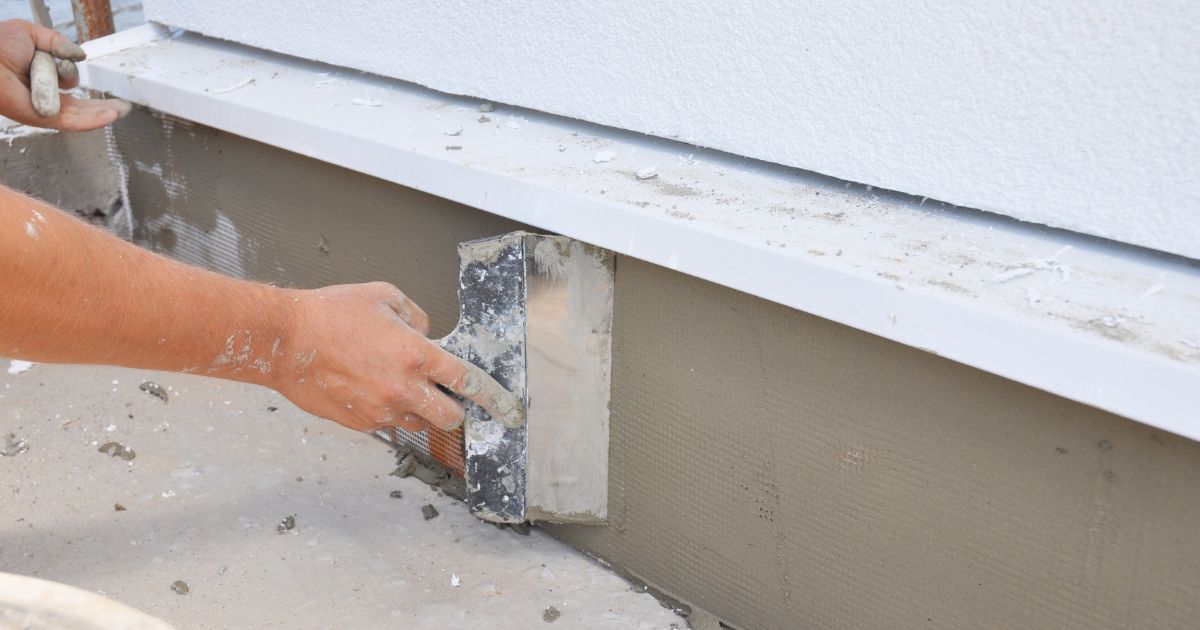
Excavation and Membrane Installation
One of the most effective exterior waterproofing methods involves excavating around the foundation and installing a waterproof membrane. This process can be costly, with prices ranging from $8 to $18 per square foot, depending on the complexity of the job and local labor rates. However, it provides a long-lasting barrier against water intrusion.
Exterior Drainage Solutions
Exterior drainage solutions, such as French drains, can also be highly effective in diverting water away from your basement. These systems collect water that accumulates around the foundation and redirect it to a safe distance from the house.
Foundation Crack Repair
Foundation cracks can be a significant source of water leakage. Repairing these cracks is crucial for maintaining a dry basement. Two common methods for crack repair are:
- Epoxy Injection: A durable, long-lasting solution that bonds well with concrete.
- Polyurethane Foam Injection: A flexible, water-reactive foam that expands to fill cracks and seal against water intrusion.
Both methods have their advantages, and the choice between them depends on the specific conditions of the crack and the preferences of the homeowner or contractor.
When considering exterior basement waterproofing, it’s essential to weigh the costs against the benefits. While the initial investment can be significant, a well-executed exterior waterproofing project can add value to your home and prevent costly water damage repairs in the future.
Drainage-Based Basement Waterproofing
To waterproof a basement, it’s essential to consider drainage solutions that divert water away from the foundation. Effective drainage is crucial for preventing water accumulation and ensuring the structural integrity of the home.
French Drain Systems
A French drain system is a popular method for basement waterproofing, costing between $1,500 to $3,000. It involves installing a trench filled with gravel and a perforated pipe that redirects water away from the basement.
Gutter and Downspout Management
Proper gutter and downspout management is vital. Ensuring gutters are clear and downspouts extend at least 4-6 feet away from the house can reduce water accumulation risks.
Landscape Grading for Water Diversion
Landscape grading involves adjusting the yard’s slope to direct water away from the home’s foundation, costing $1,000 to $3,000. This method is both effective and cost-efficient.
By implementing these methods, homeowners can reduce basement flooding risks. Considering the cost and effectiveness helps determine the best approach.
Determining the Best Waterproofing Method for Your Basement
To determine the most effective waterproofing method for your basement, you need to consider several critical factors. The process involves assessing your specific water issues, understanding the impact of climate and regional considerations, and evaluating your basement’s type and construction.
Assessing Your Specific Water Issues
The first step in choosing the best waterproofing method is to identify the source and nature of the water problems you’re experiencing. Are you dealing with hydrostatic pressure, surface water accumulation, or condensation issues? Understanding the root cause of the problem is crucial for selecting the most appropriate solution.
Key factors to consider include:
- The location and severity of water entry points
- The frequency and duration of water issues
- The overall condition of your basement’s walls and floor
Climate and Regional Considerations in Canada
Canada’s diverse climate and geography present distinct challenges when it comes to basement waterproofing. From the wet coastal regions of British Columbia to the freezing winters of the Prairies and the high humidity of Eastern Canada, each area demands customized waterproofing strategies.
Water intrusion in Canadian homes is often driven by seasonal snowmelt, persistent rainfall, and freeze-thaw cycles that can lead to foundation cracks and water seepage. In coastal and low-lying areas, high water tables and poor drainage are also common concerns.
Important Canadian climate factors affecting waterproofing include:
- High snowfall and rapid spring thaw, especially in central and eastern provinces
- Expansive clay or silty soils, which retain water and increase hydrostatic pressure
- Deep frost penetration and freeze-thaw cycles, causing cracks in foundations
- Variable humidity levels, leading to condensation issues in basements
Given these challenges, Canadian homeowners often benefit from a combination of exterior waterproofing systems, interior drainage solutions, and vapor barriers—all designed to protect against moisture intrusion year-round.
Combining Methods for Optimal Protection
In many cases, the best approach to basement waterproofing involves combining multiple methods for optimal protection. This might include using both interior and exterior waterproofing techniques, or integrating drainage solutions with waterproof coatings.
Benefits of a combined approach include:
- Enhanced protection against various types of water issues
- Improved durability and longevity of waterproofing solutions
- Increased peace of mind for homeowners
Factors Affecting Waterproofing Prices
The total cost of waterproofing a basement is influenced by several factors, including the size of the basement, the chosen method, and local labor costs. Understanding these factors can help homeowners budget more effectively.
Financing Options and Insurance Considerations
Homeowners may be able to finance their waterproofing projects through various means, including home equity loans or contractor financing options. It’s also important to check if insurance covers any part of the waterproofing cost, especially if it’s related to a specific damage claim.
DIY vs. Professional Basement Waterproofing
Basement waterproofing can be a DIY project, but knowing when to call in a professional is crucial. Homeowners must assess their specific situation to decide the best approach.
Projects That Require Professional Expertise
More extensive water issues, such as significant leaks, structural damage, or persistent moisture problems, require professional attention. Professionals have the necessary equipment and expertise to diagnose and fix complex problems effectively.
Signs that you need professional help include:
- Persistent water leakage despite DIY efforts
- Structural cracks in walls or floors
- Significant mold or mildew growth
How much is a basement permit in Hamilton?
In Hamilton, Ontario, obtaining a building permit is essential for most basement renovations, including finishing, remodeling, or converting a basement into a legal dwelling unit. The cost of a basement permit varies based on the project’s scope and size.
? Permit Fees
- Minimum Permit Fee: As of 2024, the minimum fee for processing and issuing a building permit is $277.
Fee Calculation: Permit fees are typically calculated using the formula:
Permit Fee = Service Index (SI) × Floor Area (A in m²)
Where:
Service Index (SI): Determined by the classification of the work proposed.
Floor Area (A): The total area in square meters involved in the work.
For projects where no new floor area is created, or where it’s challenging to determine the fee based on classifications, the permit fee is 1% of the prescribed value as determined by the Chief Building Official, subject to a minimum fee.
Conclusion
Waterproofing a basement is a crucial investment for homeowners, protecting their property from water damage and potential health hazards. The question remains, is it worth waterproofing a basement? The answer is a resounding yes, as a waterproofed basement can significantly increase a home’s value and provide a safe, dry space for living or storage.
When considering what is the best waterproofing method for basements, several factors come into play, including the type of basement, climate, and specific water issues. By assessing these factors and understanding the different waterproofing methods available, homeowners can make an informed decision. Whether it’s interior waterproofing solutions, exterior waterproofing methods, or drainage-based systems, the right approach can ensure a dry, secure basement.
By choosing the most appropriate waterproofing solution, homeowners can enjoy a range of benefits, from increased property value to reduced maintenance costs. It’s essential to consult with a qualified waterproofing contractor to determine the best course of action. With the right investment, homeowners can enjoy a safe, dry, and healthy living space for years to come.

