
Proper drainage is one of the most crucial yet overlooked aspects of home maintenance. Without effective types of drainage systems for homes, you risk foundation damage, landscape erosion, basement flooding, and a host of moisture-related problems that can cost thousands in repairs. Whether you’re dealing with heavy rainfall, melting snow, or rising groundwater, the right drainage solution can protect your property investment and provide peace of mind during severe weather events.
In this comprehensive guide, we’ll explore the various drainage systems available for residential properties, their specific applications, and how to determine which options are best suited for your home’s unique needs. From simple surface drains to complex subsurface solutions, understanding these systems is the first step toward creating a water-resistant property that stands the test of time.
Why Your Home Needs Proper Drainage Systems
Before diving into the specific types of drainage systems for homes, it’s important to understand why they’re essential. Effective drainage prevents several serious issues that can compromise your home’s structural integrity and your family’s health:
- Foundation Protection – Water pooling around your foundation can lead to cracks, settling, and even complete failure of your home’s structural support.
- Mold and Mildew Prevention – Excess moisture creates the perfect environment for mold growth, which can trigger allergies and respiratory problems.
- Landscape Preservation – Proper drainage prevents soil erosion, plant root rot, and damage to your carefully designed landscaping.
- Basement Flooding Prevention – A good drainage system is your first line of defense against basement flooding during heavy rainfall.
- Property Value Maintenance – Homes with water damage issues typically sell for significantly less than those with proper drainage solutions.
1. Surface Drainage Systems
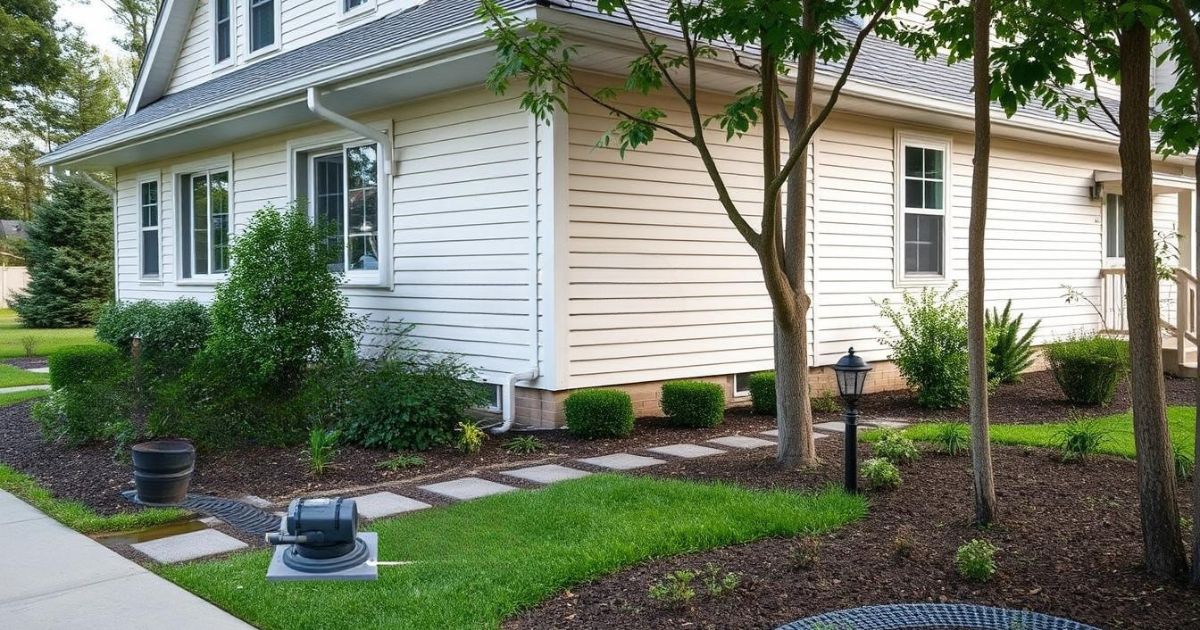
Surface drainage systems are designed to manage water that collects on the ground’s surface. These systems are typically the first line of defense against standing water in your yard and around your home’s perimeter.
How Surface Drainage Works
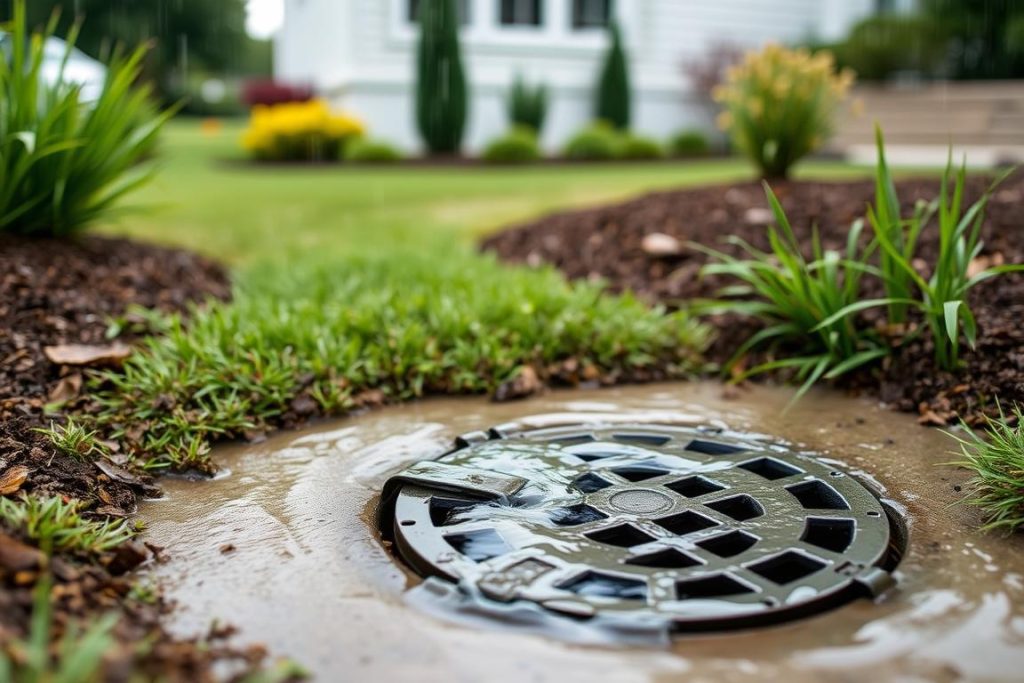
Surface drains collect water from the ground level and direct it away from your property through shallow channels or basins. They’re particularly effective for addressing visible water pooling in your yard after rainfall. The system typically includes grates or perforated covers that allow water to enter while keeping debris out.
Advantages
- Relatively easy and cost-effective to install
- Immediately addresses visible water problems
- Available in various decorative designs to complement landscaping
- Can be retrofitted into existing landscapes
- Minimal maintenance requirements
Limitations
- Only addresses surface water, not groundwater issues
- Requires proper slope for effective water flow
- Grates can become clogged with debris
- May freeze in extremely cold climates
- Visible components may affect landscape aesthetics
Ideal Applications
- Surface drainage systems work best in properties with:
- Visible puddles or standing water after rainfall
- Clay soil that doesn’t absorb water quickly
- Flat yards with minimal natural slope
- Areas around pool decks, patios, and driveways
2. French Drain Systems
French drains are one of the most versatile and effective types of drainage systems for homes dealing with subsurface water issues. These systems work by redirecting water through underground channels, making them ideal for solving water problems without visible components.
How French Drains Work
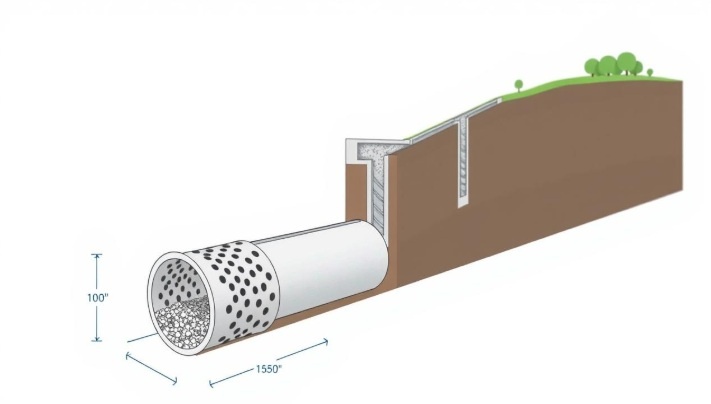
A French drain consists of a trench filled with gravel and a perforated pipe that collects and redirects water. The pipe is typically wrapped in landscape fabric to prevent soil and debris from clogging the perforations. Water enters the pipe through these holes and flows to a designated discharge point away from your home.

Advantages
- Effectively manages both surface and subsurface water
- Virtually invisible once installed
- Provides long-term solution to water problems
- Can be connected to other drainage systems
- Helps prevent foundation damage
Limitations
- More labor-intensive to install than surface drains
- Higher installation cost
- Requires careful planning for proper slope
- May need periodic maintenance to prevent clogging
- Difficult to access for repairs
Ideal Applications
French drains are particularly effective for:
- Properties with high water tables
- Areas with persistent dampness in soil
- Yards that remain soggy days after rainfall
- Protecting foundation walls from hydrostatic pressure
- Redirecting water from downspouts away from the foundation
3. Trench Drain Systems
Trench drains, also known as channel drains or linear drains, are surface drainage systems that excel at collecting and removing large volumes of water quickly. These systems are particularly useful in areas where water needs to be intercepted across a wide area.
How Trench Drains Work
A trench drain consists of a channel or trough with a grate cover that sits flush with the surrounding surface. Water flows into the channel through the grate and is directed to a drainage point. These systems are typically made from concrete, polymer concrete, or plastic, with various grate options available to match your aesthetic preferences and load requirements.

Advantages
- Excellent for managing large volumes of surface water
- Can be installed across driveways, patios, and other hardscapes
- Available in various widths and depths for different applications
- Decorative grate options to complement landscape design
- Effective barrier to prevent water from entering garages or basements
Limitations
- More visible than subsurface drainage options
- Requires regular cleaning to prevent clogging
- Higher installation cost than simple surface drains
- May require professional installation
- Grates can be noisy when vehicles drive over them
Ideal Applications
- Trench drains are best suited for:
- Driveways, especially at the garage entrance
- Patios and pool decks
- Areas where hardscapes meet landscaping
- Properties on slopes where water runoff needs to be intercepted

4. Slope Drainage Systems
Properties built on hills or inclines face unique drainage challenges that require specialized solutions. Slope drainage systems help manage water flow on inclined surfaces to prevent erosion, landslides, and water damage to structures at the bottom of the slope.
How Slope Drainage Works
Slope drainage typically involves a combination of surface and subsurface systems designed to intercept and redirect water flowing down a hillside. These systems often include terracing, retaining walls with built-in drainage, horizontal drains, and strategically placed vegetation to slow water flow and increase absorption.
Integrated slope drainage system with terracing and retaining walls
Advantages
- Prevents soil erosion on sloped properties
- Protects structures at the bottom of slopes
- Can be integrated with landscape design
- Reduces risk of landslides and slope failure
- Creates usable terraced spaces on steep properties
Limitations
- Complex design requirements
- Higher installation costs
- May require engineering expertise
- Ongoing maintenance to ensure system integrity
- Can be difficult to retrofit on established slopes
Ideal Applications
- Slope drainage systems are essential for:
- Hillside properties with significant grade changes
- Areas prone to erosion during heavy rainfall
- Properties with structures built at the bottom of slopes
- Landscapes with terraced gardens or retaining walls
- Regions with high annual rainfall
5. Gutter and Downspout Systems
While often overlooked as drainage systems, gutters and downspouts are your home’s first line of defense against water damage. These systems collect rainwater from your roof and direct it away from your foundation, preventing a host of moisture-related problems.
How Gutter Systems Work
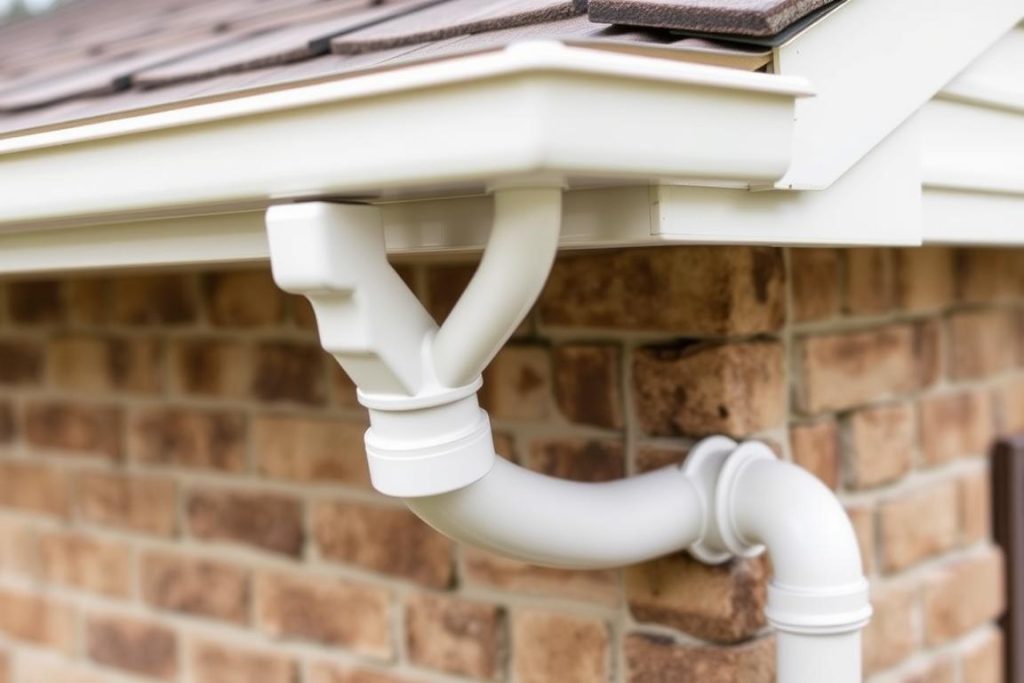
Gutters are channels installed along the edge of your roof that collect rainwater as it runs off. This water flows to downspouts, which direct it away from your home’s foundation. Modern gutter systems can be connected to underground drainage pipes, rain barrels for water conservation, or other drainage systems on your property.
Advantages
- Prevents soil erosion around foundation
- Protects siding and windows from water damage
- Reduces basement flooding risk
- Can be connected to rainwater harvesting systems
- Available in various materials and styles to complement home design
Limitations
- Requires regular cleaning to prevent clogging
- Can be damaged by ice dams in cold climates
- May need repairs after severe weather
- Standard systems may be insufficient for very heavy rainfall
- Improper installation can lead to water damage
Ideal Applications
- Every home with a sloped roof should have a gutter system, but they’re particularly important for:
- Homes with basements or crawl spaces
- Properties with landscaping close to the foundation
- Areas with heavy seasonal rainfall
- Homes with multiple roof levels
Is your gutter system protecting your home?Schedule a Gutter Inspection
6. Dry Well Drainage Systems
Dry wells provide an environmentally friendly solution for managing excess water by allowing it to slowly percolate into the surrounding soil. These systems are particularly useful in areas where directing water to storm drains or other outlets isn’t practical.
How Dry Wells Work
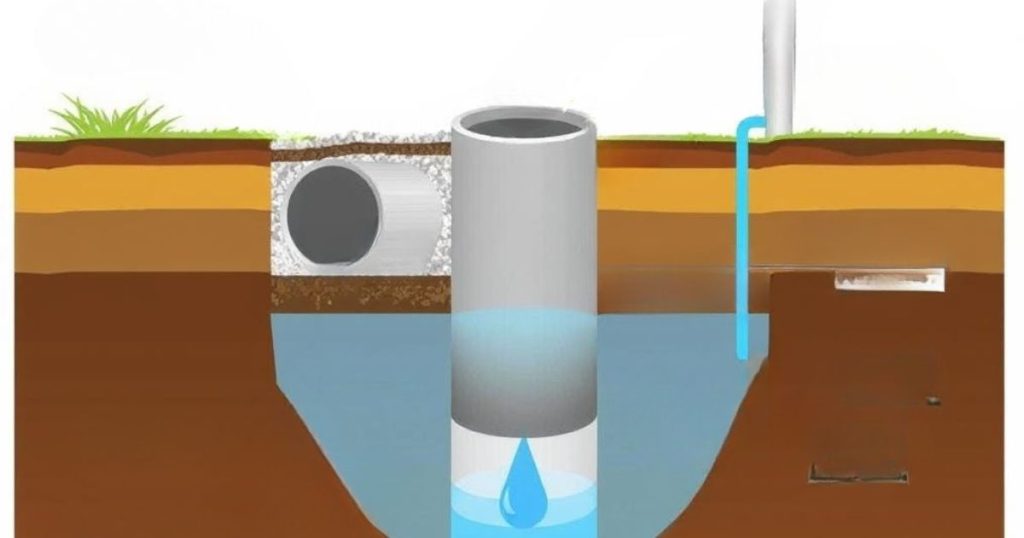
A dry well is essentially an underground structure filled with gravel or rock that creates a reservoir for collected water. The water is temporarily stored in this space and gradually seeps into the surrounding soil. Modern dry wells often include a perforated chamber or barrel surrounded by gravel and wrapped in landscape fabric to prevent clogging.
Advantages
- Environmentally friendly water management
- Reduces burden on municipal storm systems
- Completely hidden underground
- Helps replenish groundwater
- Can handle large volumes of water
Limitations
- Not suitable for areas with high water tables
- Requires permeable soil for proper function
- May need periodic maintenance
- Limited lifespan if not properly maintained
- Not effective in clay soils with poor drainage
Ideal Applications
- Dry wells are best suited for:
- Properties with sandy or loamy soil
- Areas where directing water offsite is difficult
- Collecting water from downspouts and surface drains
- Environmentally conscious homeowners
- Properties with sufficient space for installation
7. Bioswales and Rain Gardens
For environmentally conscious homeowners, bioswales and rain gardens offer a natural approach to managing stormwater while enhancing your landscape’s beauty. These systems mimic nature’s water management processes and provide habitat for beneficial wildlife.
How Bioswales and Rain Gardens Work
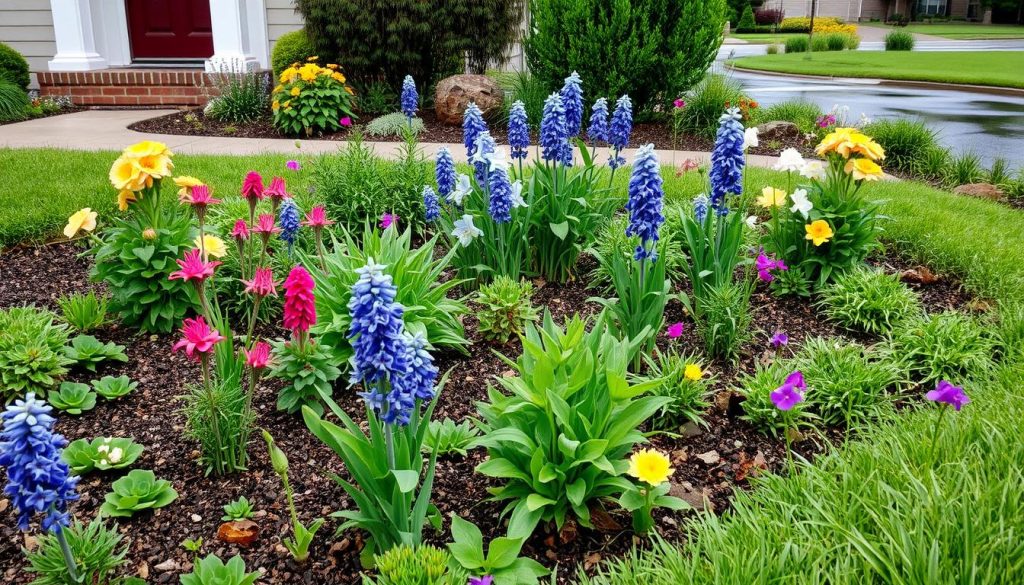
Bioswales are shallow, vegetated channels designed to slow water flow and filter pollutants. Rain gardens are depressed areas planted with water-tolerant native species that collect and absorb rainwater. Both systems allow water to infiltrate the soil naturally while removing contaminants through biological processes.
Advantages
- Environmentally friendly water management
- Enhances property aesthetics
- Provides habitat for pollinators and wildlife
- Filters pollutants from runoff
- Low maintenance once established
Limitations
- Requires specific plant knowledge
- May not handle extreme water volumes
- Takes time to establish fully
- Seasonal appearance changes
- Requires some ongoing plant maintenance
Ideal Applications
Bioswales and rain gardens work best for:
- Environmentally conscious homeowners
- Properties with space for landscape features
- Areas receiving runoff from roofs or driveways
- Regions with moderate rainfall patterns
Choosing the Right Drainage System for Your Home
Selecting the appropriate types of drainage systems for homes depends on several factors specific to your property. Consider these key elements when making your decision:
| Factor | Considerations | Impact on System Selection |
| Soil Type | Clay, loam, sand, or rocky soil | Clay soils may require more extensive surface drainage; sandy soils may benefit from French drains |
| Property Slope | Flat, gentle slope, or steep incline | Steep slopes need erosion control; flat areas need assistance moving water away |
| Water Volume | Amount of rainfall and runoff | Heavy rainfall areas need higher capacity systems like trench drains |
| Problem Areas | Foundation, yard, driveway, etc. | Target specific solutions to problem areas (e.g., French drains for foundations) |
| Budget | Installation and maintenance costs | Surface drains are more affordable; comprehensive systems cost more |
| Aesthetics | Visible vs. hidden systems | Rain gardens offer visual appeal; French drains are hidden |
| Local Regulations | Permits and restrictions | Some areas restrict where water can be directed |
Signs Your Home Needs Improved Drainage
- Not sure if your current drainage is adequate? Watch for these warning signs:
- Standing water in your yard 24+ hours after rainfall
- Water stains on basement walls or floors
- Cracking foundation or settling of your home
- Eroded landscaping after heavy rain
- Overflowing gutters during moderate rainfall
- Soggy areas in lawn that never seem to dry
- Mold or mildew growth in or around your home
- Insect infestations drawn to moist conditions
Maintenance Tips for Home Drainage Systems
Even the best types of drainage systems for homes require regular maintenance to function properly. Follow these tips to keep your drainage system working effectively year-round:
Seasonal Maintenance Schedule
- Spring: Clear winter debris from all drains and gutters
- Summer: Check for plant growth blocking drainage paths
- Fall: Remove leaves from gutters and surface drains
- Winter: Ensure downspouts are clear before freezing weather
Regular Inspection Points
- Gutters: Check for proper slope and secure attachment
- Downspouts: Verify water flows freely and discharges properly
- Surface drains: Remove debris from grates and check for cracks
- French drains: Look for surface depressions indicating pipe issues
- Regular maintenance of drainage components prevents costly repairs and system failures
Professional Maintenance Recommendation
While many maintenance tasks can be handled by homeowners, scheduling a professional drainage system inspection every 2-3 years can identify potential problems before they cause damage. Professionals have specialized equipment to check for underground blockages and can recommend system upgrades when necessary.
Protecting Your Home with Proper Drainage
Implementing the right types of drainage systems for homes is one of the most important investments you can make to protect your property. Water damage is among the most costly home repairs, and much of it is preventable with proper drainage solutions. By understanding the options available and assessing your property’s specific needs, you can create a comprehensive drainage plan that keeps your home dry and secure for years to come.
Remember that the best drainage solution often involves a combination of systems working together. For example, gutters and downspouts might connect to a French drain, which then feeds into a dry well or bioswale. This integrated approach provides multiple layers of protection against water damage.
Whether you’re building a new home, addressing existing water problems, or simply being proactive about protecting your investment, proper drainage deserves your attention. Consult with drainage professionals to develop a customized solution that addresses your property’s unique challenges and provides peace of mind during even the heaviest downpours.
Need help with your home’s drainage?
Our drainage experts can assess your property and recommend the perfect solution to prevent water damage and protect your investment.
Request a Free Drainage Assessment